
Software
Working with dates and times in code requires precision. These seven globally recognized formats ensure compatibility across systems, languages, and APIs—critical knowledge for developers building robust applications.
ISO 8601 Date Format YYYY-MM-DD
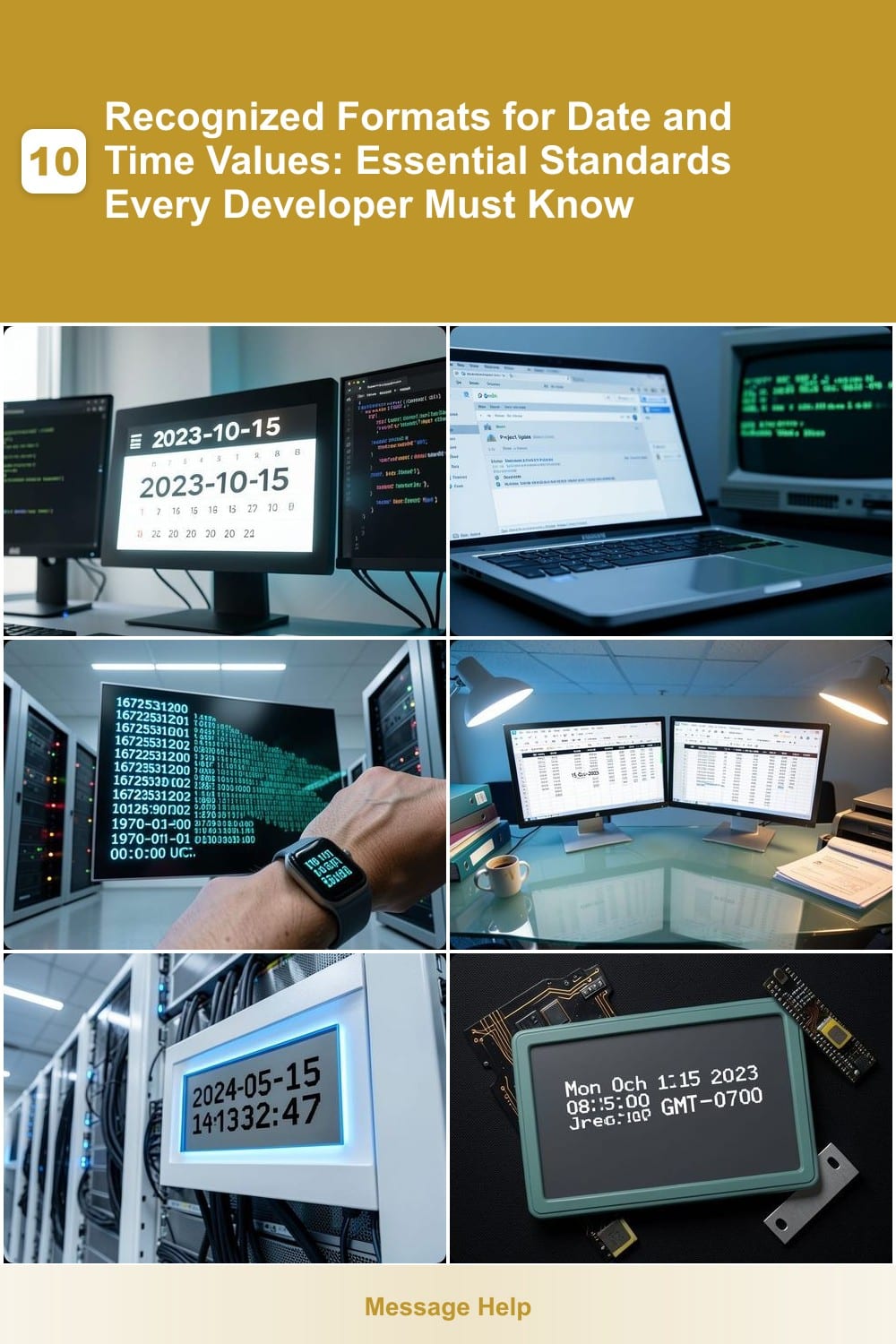
When you need dates to play nice across every system—from MySQL databases to Python scripts—the ISO 8601 format (YYYY-MM-DD) is your safety net. This isn’t just another date format; it’s the global standard adopted by APIs, file systems, and programming languages to eliminate ambiguity once and for all.
The format’s simple structure—year first, then month, then day—ensures machines parse it correctly, regardless of regional settings. For example, 2023-10-15 is always October 15, 2023, whether you’re in New York or Tokyo. It’s natively supported in JSON APIs, SQL databases, and libraries like JavaScript’s toISOString() or Python’s datetime.isoformat(), making it the default for data exchange.
Perfect for developers building cross-platform applications or APIs where consistency matters more than local readability. If you’re storing dates in a database or sending them over an API, this is the format that won’t let you down. ✨
RFC 2822 Email Date Format Example: 'Mon, 15 Oct 2023 08:45:00 -0700'
If your application relies on email communication—or even just parsing incoming messages—you’ve likely encountered the RFC 2822 date format. This standardized timestamp ("Mon, 15 Oct 2023 08:45:00 -0700") is the backbone of email protocols, ensuring compatibility across decades-old systems and modern platforms alike.
The format’s structure—day abbreviation (Mon), day (15), month (Oct), year (2023), time (08:45:00), and timezone offset (-0700)—automatically handles daylight saving time and regional time zones without manual adjustments. Libraries like Python’s email.utils or Java’s javax.mail parse this format natively, making it the default for email headers, SMTP servers, and legacy systems.
This is the ideal choice for developers working with email APIs, archiving systems, or migration tools where backward compatibility trumps modern readability. No other format bridges the gap between 1980s-era email clients and today’s cloud services as seamlessly. 💻
Unix Epoch Time Format (Seconds Since 1970-01-01)

When every millisecond counts, Unix Epoch Time (seconds since 1970-01-01 00:00:00 UTC) is the go-to choice for developers. Unlike human-readable formats, this integer-based timestamp eliminates parsing overhead, making it ideal for high-frequency operations like system logs, caching, and performance benchmarks.
Storing dates as a 64-bit integer (e.g., 1730000000 for October 15, 2024) enables lightning-fast comparisons and arithmetic—critical for applications like real-time analytics or database indexing. Most programming languages (Python, JavaScript, C++) include built-in functions like Date.now() or time.time() to convert between Epoch and local time.
Perfect for backend systems, DevOps tools, and any scenario where raw speed trumps readability. ⚡
Microsoft Excel Date Format DD-MMM-YYYY
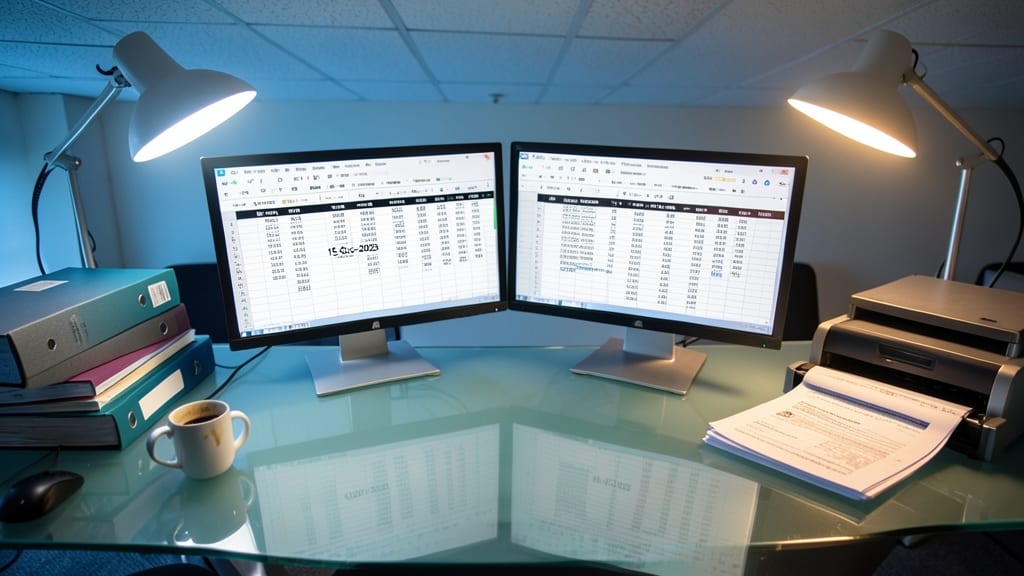
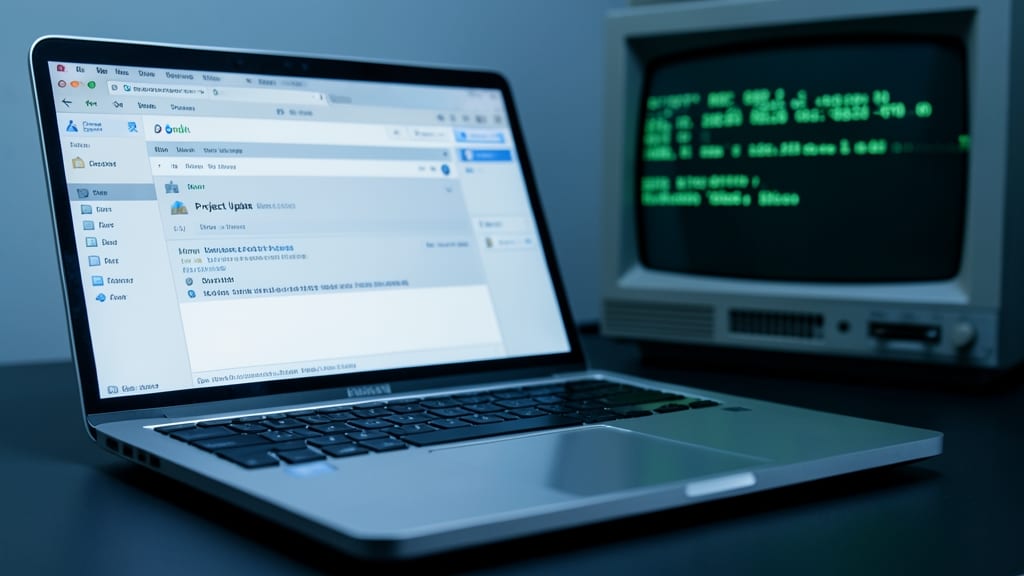
When you're knee-deep in spreadsheets and need dates that read naturally while playing nice across Excel versions, DD-MMM-YYYY (like 15-Oct-2023) is your go-to. Unlike machine-focused formats, this human-readable style keeps your data clean for reports, presentations, and cross-departmental sharing.
Excel automatically recognizes this format when imported from CSV files or formatted manually via Format Cells → Custom. It adapts to regional settings (e.g., DD/MM/YYYY in Europe) without breaking formulas, and the three-letter month abbreviation (MMM) saves space while staying unambiguous. Perfect for financial models or project timelines where clarity matters more than machine parsing.
This is the ideal choice for business analysts, accountants, and team leads who prioritize readability in shared workbooks. The familiar structure reduces errors when colleagues from different regions collaborate. ✨
SQL Date Format YYYY-MM-DD HH:MI:SS

Need rock-solid consistency in your database timestamps? The SQL Date Format YYYY-MM-DD HH:MI:SS delivers exactly that, serving as the de facto standard for relational databases worldwide.
This format stores dates and times as a single string with 24-hour time precision, ensuring compatibility across MySQL, PostgreSQL, SQL Server, and Oracle. The structure eliminates ambiguity by separating date and time components with spaces, making it perfect for time-sensitive applications like financial transactions or audit logs.
Developers working with SQL-based systems will find this format indispensable for accurate querying and reporting. It’s the go-to choice when you need to guarantee data integrity across different database engines. ✨
JavaScript Date Format 'Mon Oct 15 2023 08:45:00 GMT-0700'
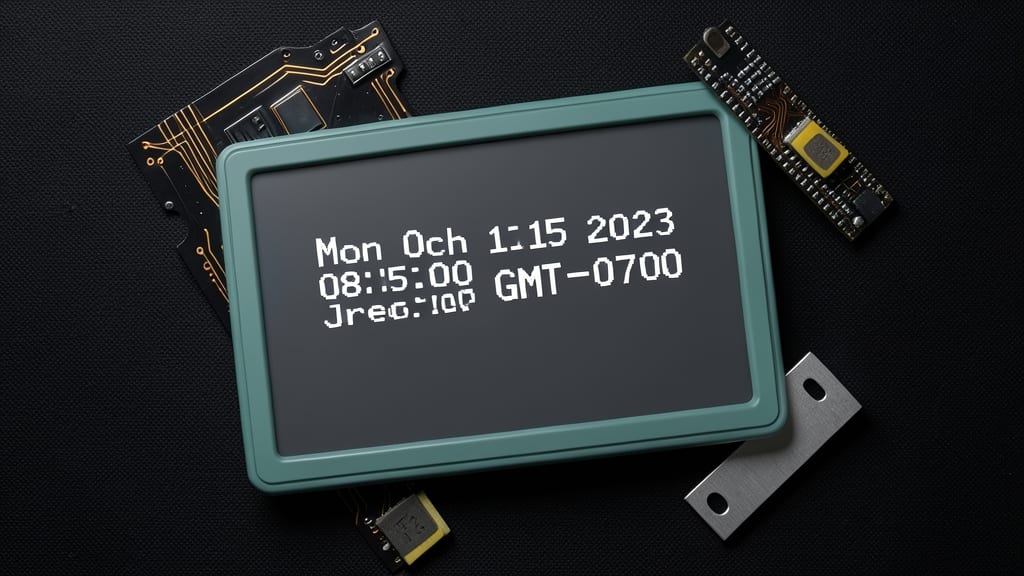
When you need to display a JavaScript Date object in a human-readable way, the default output—like 'Mon Oct 15 2023 08:45:00 GMT-0700'—is your best friend. Unlike other formats, this isn’t just a string; it’s the native representation of JavaScript’s built-in Date class, making it perfect for quick debugging or dynamic UI updates.
This format automatically includes the day of the week, month abbreviation, time with timezone offset, and even handles daylight saving time adjustments. It’s lightweight, requiring zero configuration, and works seamlessly with toString() or Date.prototype.toString(). Developers love it for its simplicity—no libraries needed to parse or display it.
Ideal for front-end devs building dashboards or logging systems, this format shines when you need a balance of readability and performance. Just remember: while it’s great for display, convert it to ISO 8601 for storage or APIs. ✨
Time Zone-Aware ISO 8601 Format '2023-10-15T08:45:00-07:00'
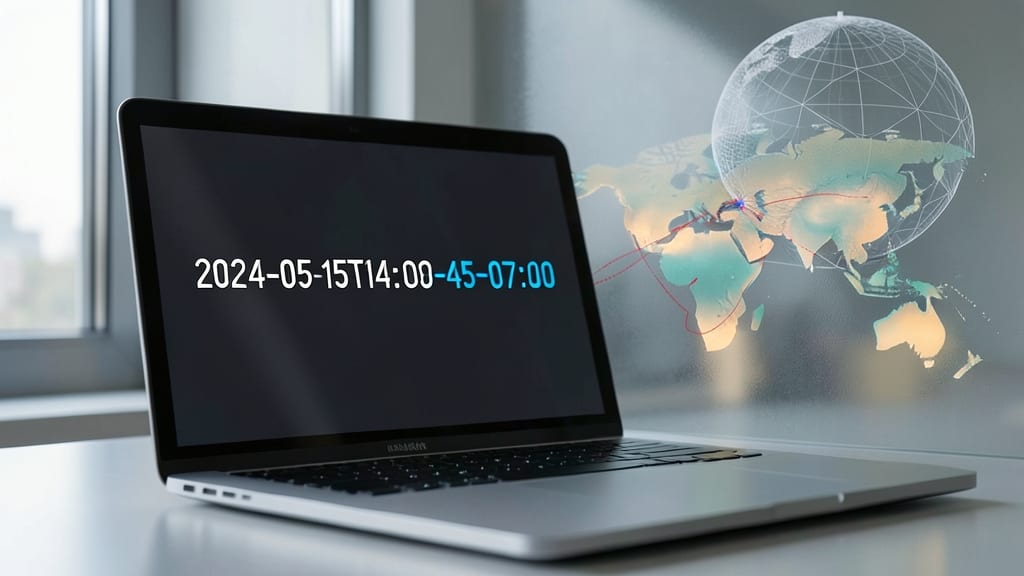
When your application spans continents, the standard ISO 8601 format gets a critical upgrade with time zone offsets. Instead of leaving timestamps ambiguous, this format explicitly includes offsets like -07:00, ensuring every developer knows exactly when an event occurred in its original context.
The '2023-10-15T08:45:00-07:00' structure combines the familiar ISO 8601 date-time format with a UTC offset, eliminating guesswork about whether "08:45" refers to Pacific Time or another zone. This is especially valuable for distributed teams or global APIs where time zone mismatches could cause synchronization errors.
Perfect for cloud applications, collaborative tools, and international business systems where precise time tracking matters. No more manual conversions—just reliable, standardized timestamps that work worldwide. ✨