
Tip & Trick
Want to type faster and add professional flair to your documents? These 10 essential keyboard symbols starting with 'A' will transform your workflow, from coding to creative writing, with minimal effort.
At Symbol (@) for Email Addresses

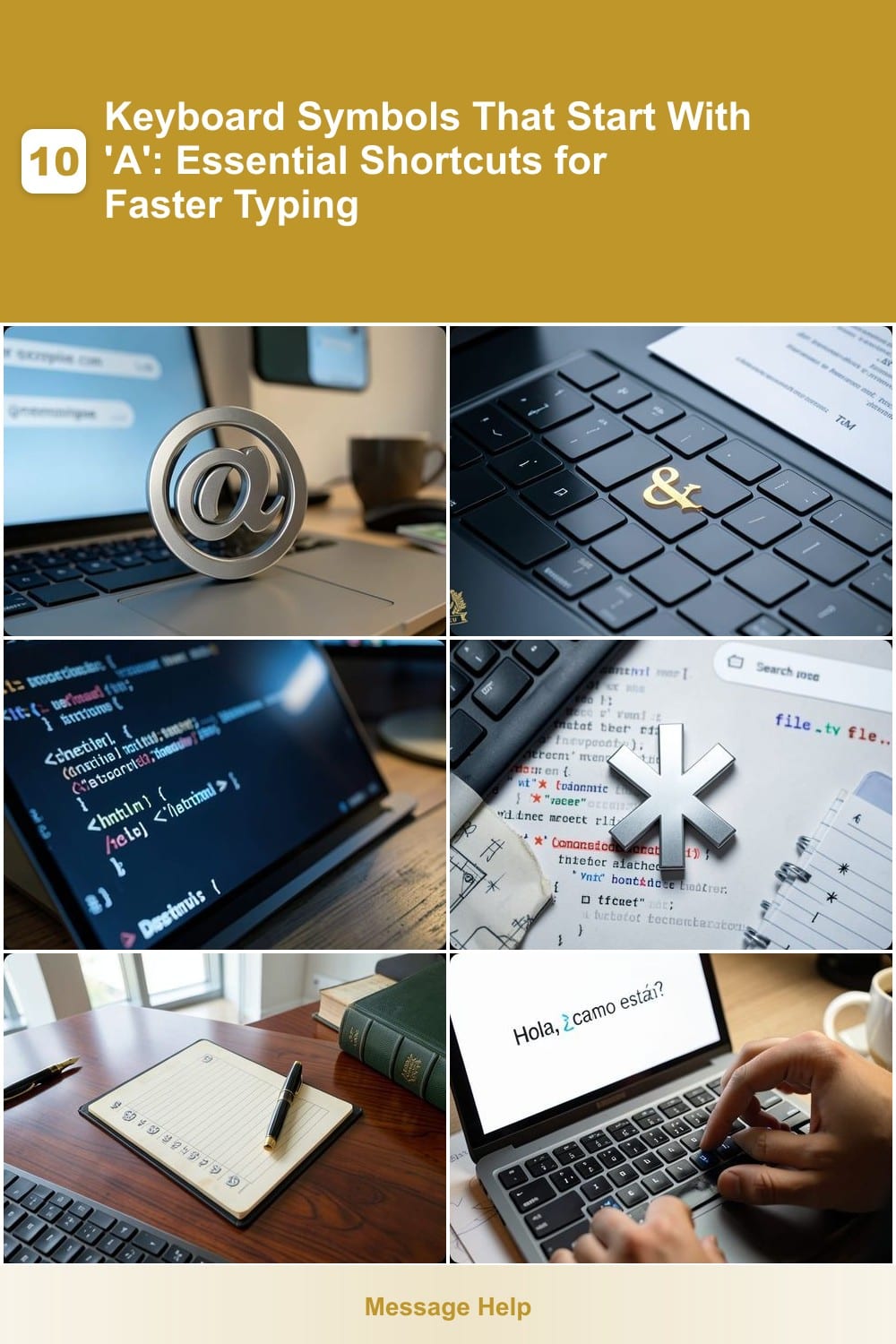
The @ symbol isn’t just a punctuation mark—it’s the digital glue holding your online identity together. Without it, email addresses like user@example.com wouldn’t exist, and social media handles would crumble. This tiny character is the foundation of modern communication, bridging your name with the services you use daily.
Typing it is simple: shift + 2 on most US keyboards, or Alt + 64 on Windows/Linux. On Mac, press Option + 2. Its versatility extends beyond emails—programmers use it for variable declarations (@var), while developers reference packages (@package). Even in plain text, it signals "at" or "located at," making it a universal shorthand.
Perfect for professionals, students, and anyone managing multiple accounts. Master this symbol, and you’ll never miss a login or misplace a username again. ⚡
Ampersand (&) in Legal and Branding Text
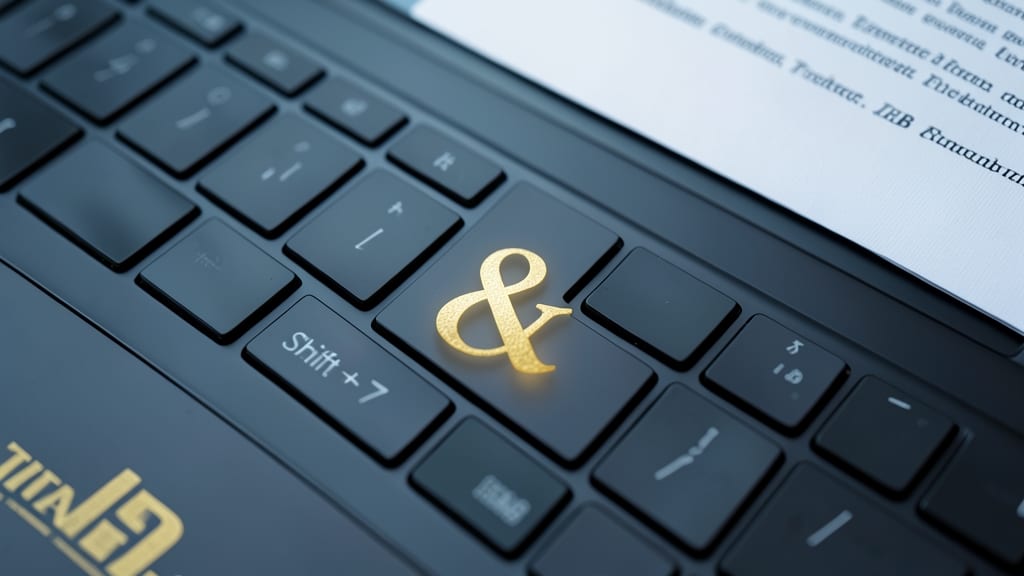
Need to add that extra layer of professionalism to your documents? The ampersand (&) isn’t just a symbol—it’s a branding powerhouse in legal contracts, corporate logos, and formal writing, where it elegantly replaces "and" in abbreviations like "J&B" or "T&M."
Typing it is simple: press Shift + 7 on most keyboards, or use Alt + 0167 for precision. In branding, it’s often customized into unique typography (think Coca-Cola’s iconic script version). For lawyers and writers, it’s a formatting staple—autocorrect can’t replace its formal weight.
Perfect for legal professionals, graphic designers, and marketers crafting polished documents. Master it, and you’ll instantly elevate your typography game. ✨
Angle Brackets (< >) for Coding and Markup

If you’ve ever peeked at a line of HTML or XML and wondered what those angled symbols mean, you’re not alone. Angle brackets (< >) are the backbone of coding syntax, marking the start and end of tags like <html>, `
`. Without them, modern web development—and even data formats like JSON—would collapse.
These symbols aren’t just for HTML: they define XML elements, CSS rules, and even Angular templates. In JSON, they’re used for custom keys (e.g., {"<key>": "value"}), while in LaTeX, they signal math environments like $\langle x \rangle$. Typing them is simple—just press Shift + , for < and Shift + . for >.
For developers, they’re non-negotiable. Even non-coders benefit when working with markup-heavy files like SVGs or configuration files. Master them, and you’ll read (and write) code like a pro. ✨
Asterisk (*) for Notes and Wildcards
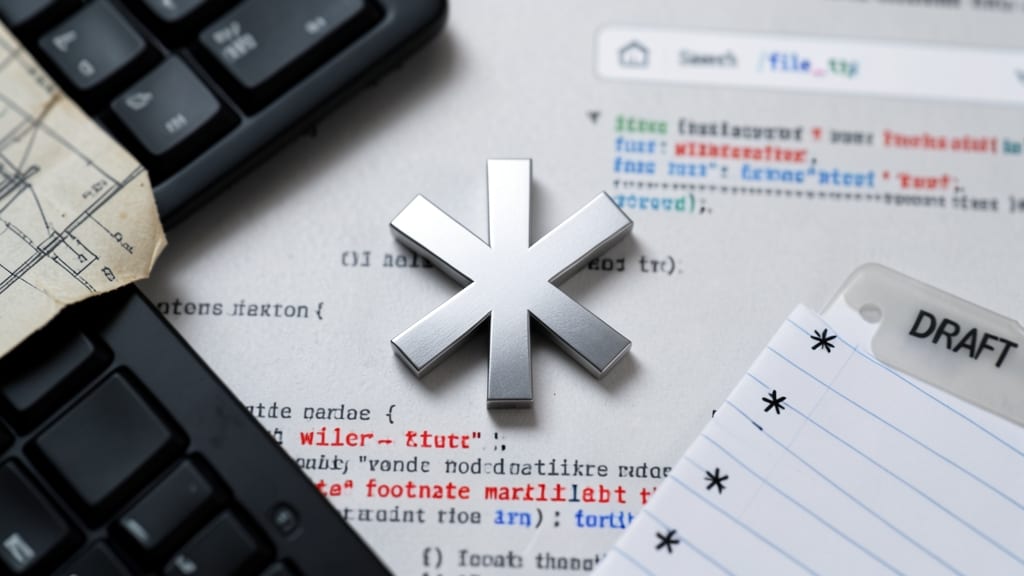
The asterisk () is the Swiss Army knife of keyboard symbols—equally at home in technical manuals, search queries, and to-do lists. Unlike symbols tied to a single use, this one adapts to footnotes, wildcard searches (e.g., file.txt), and highlighting key items in documentation or code comments.
Type it directly or use Alt + 042 on Windows/Linux for consistency. In Markdown, it creates footnotes (*[^1]), while in regex, it matches any character sequence. Researchers love it for annotating references, and developers use it to denote optional parameters in function signatures.
Perfect for writers juggling citations, devs documenting APIs, or anyone who needs a quick way to flag important details without cluttering text. ⚡
Section Sign (§) in Legal Documents

Drafting legal documents or academic papers? The section sign (§) is your secret weapon for organizing content with precision. Unlike basic numbering, this symbol instantly elevates professionalism in contracts, statutes, and research papers by clearly demarcating sections like §1, §2, and beyond.
Typing it is simple: press Alt + 0167 on Windows or Option + 6 on Mac. In LaTeX documents, use \S for seamless integration. Legal professionals rely on it to reference specific clauses (e.g., "per §4.2"), while academics use it to structure theses or dissertations with formal rigor.
Perfect for lawyers, policy writers, and researchers who need to reference exact sections without ambiguity. Master this symbol, and your documents will read like they were drafted by a seasoned professional. ✨
Acute Accent (á, é, í, ó, ú) for Spanish and Portuguese
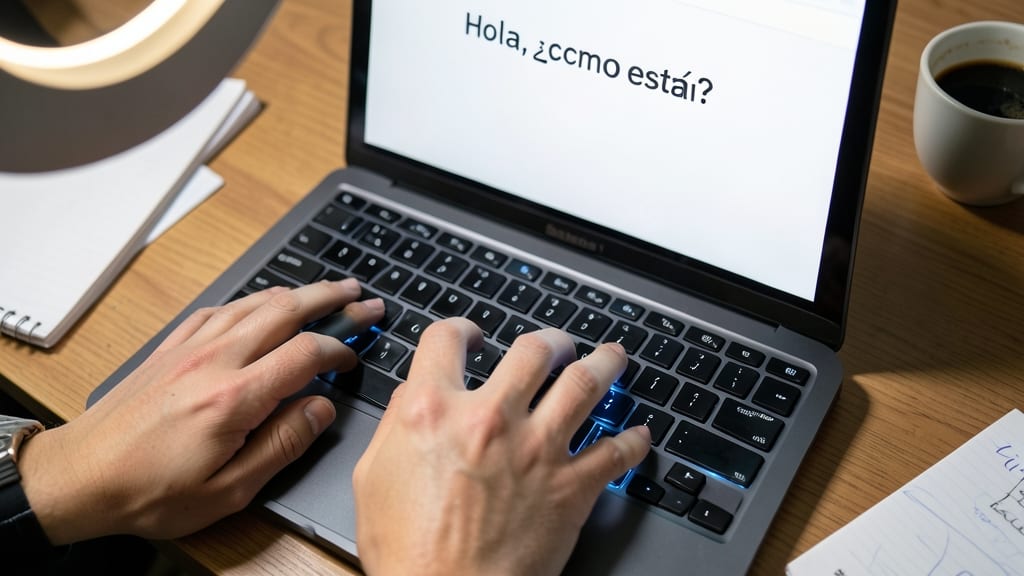
Struggling with autocorrect turning "é" into "e" in your Spanish emails or Portuguese documents? The acute accent (á, é, í, ó, ú) is your secret weapon for typing foreign languages accurately without frustration.
On Windows, hold Shift + 6 then press the vowel key (e.g., Shift + 6 + E for "é"). Mac users can type Option + E followed by the vowel. Linux systems often use Compose + ' + vowel. These accents are essential for proper grammar, avoiding miscommunication, and maintaining professionalism in multilingual work.
Whether you're drafting legal documents in Spanish, coding comments in Portuguese, or writing poetry, mastering these accents ensures your text reflects your intent—no more embarrassing typos. ✨
Arrow Symbol (→) for Directions and Flowcharts

Struggling to visualize workflows in presentations or diagrams? The arrow symbol (→) is your secret weapon for clarity, used everywhere from PowerPoint slides to technical documentation to map out processes effortlessly.
Type it easily with Alt+24 on Windows or Option+Shift+. on Mac. Its sleek design makes it perfect for flowcharts, decision trees, and step-by-step guides, instantly guiding your audience’s eye through complex ideas. Designers and project managers swear by it to keep visuals clean and professional.
Whether you're explaining a software workflow or outlining a project timeline, this simple symbol adds precision without clutter. Master it, and your presentations will look like they were designed by pros. ✨
Alpha Symbol (α) for Mathematics and Science
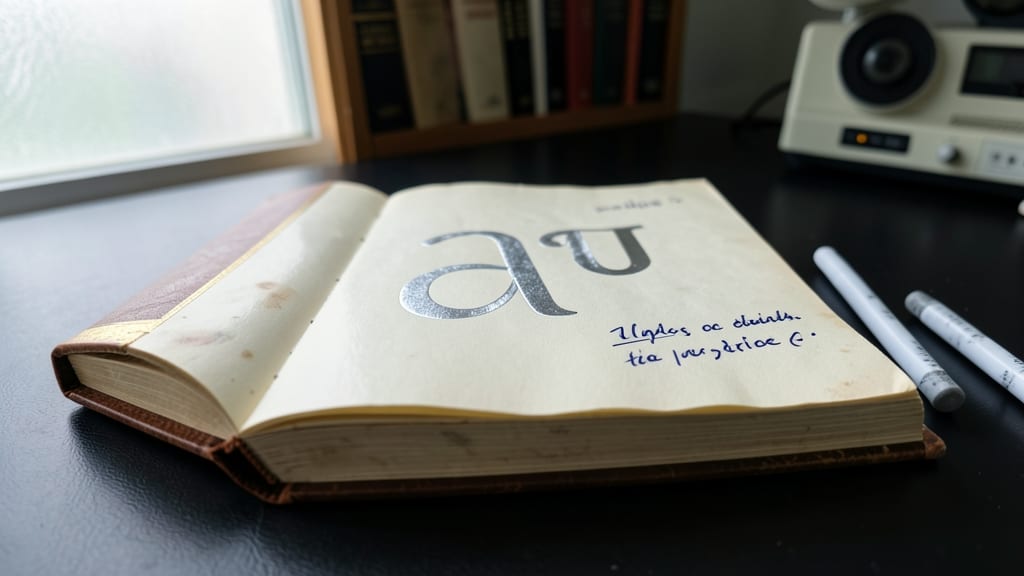
Ever stared at a physics textbook and wondered how to type that tiny Greek letter in your notes? The alpha symbol (α) isn’t just a fancy character—it’s the cornerstone of scientific notation, from Einstein’s equations to statistical significance tests in research papers.
You’ll find it representing angular acceleration, fine-structure constant, or alpha particles in nuclear physics. On Windows, type Alt + 0394 (numeric keypad), or use Option + a on Mac. Latex users rely on \alpha for seamless integration into documents.
Perfect for engineers, data scientists, and students—this symbol bridges theory and practice, ensuring your technical writing stands out. 💡
Alveolar Stop (ɑ) in Linguistics and Phonetics
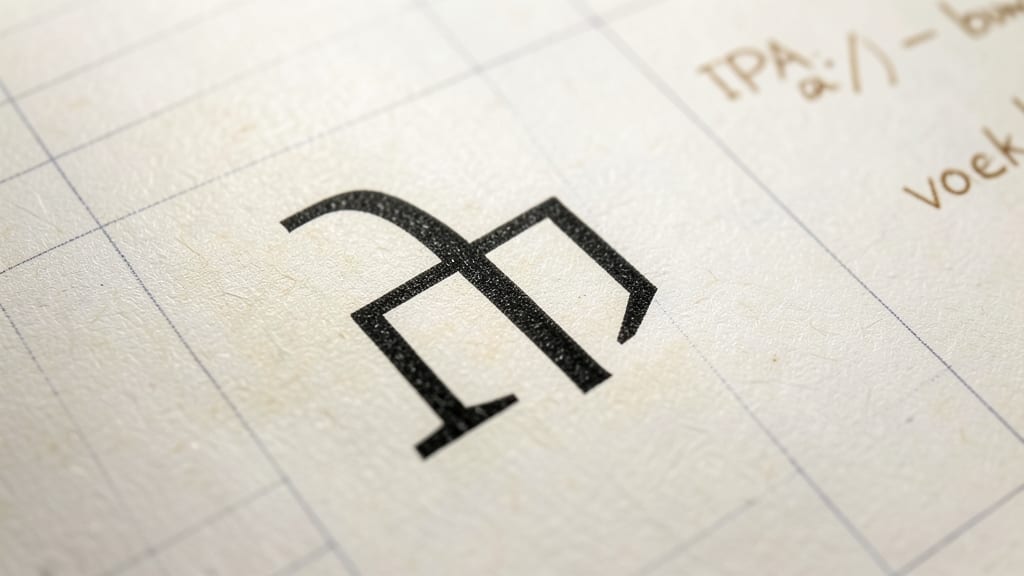
If you’ve ever transcribed speech, studied linguistics, or worked with phonetic notation, you’ve likely encountered the alveolar stop (ɑ)—the precise symbol that captures the "ah" sound in words like "father" or "hotel." Unlike other symbols on this list, this one isn’t about coding or emails; it’s the backbone of phonetic transcription, ensuring clarity in linguistic research and speech therapy.
In the International Phonetic Alphabet (IPA), the alveolar stop (ɑ) represents a specific vowel sound produced with the tongue near the roof of the mouth. Linguists and speech therapists rely on it to document pronunciation differences across languages or dialects. Typing it requires the Unicode input method (Alt + 0257 on Windows or Option + 0257 on Mac) or a dedicated phonetics keyboard layout. Its precision is critical for fields like language learning apps or forensic linguistics.
This symbol is a must-know for professionals in academic research, speech pathology, or AI voice synthesis, where accurate phonetic representation drives innovation. For casual users, it’s a fascinating glimpse into how symbols shape communication beyond the keyboard. ✨
Alt Code (Alt + Numbers) for Hidden Symbols
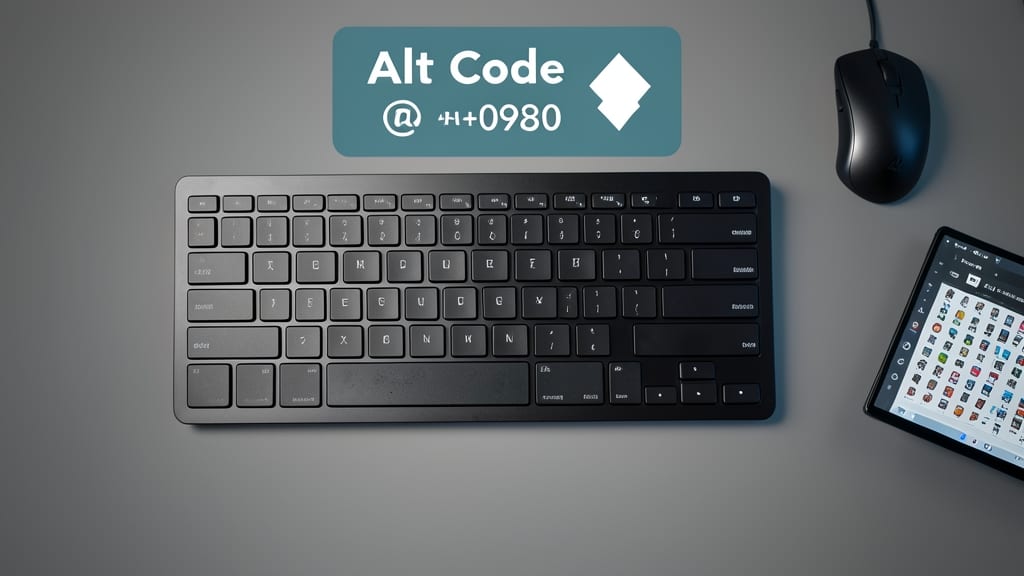
Tired of hunting for special symbols in character maps or switching keyboard layouts? Alt Codes let you type hundreds of hidden symbols with just Alt + numeric keypad—no extra tools required. From the registered trademark symbol (®, Alt+0174) to the black diamond (♦, Alt+09830), this trick works across Windows and even some Linux setups.
Simply hold Alt, type the 4-digit code (e.g., 0167 for §), then release Alt—instant symbol. Need a musical note (♫, Alt+09835) for a document or a currency sign (₹, Alt+8377) for global projects? Alt Codes deliver zero-lag access to symbols most keyboards hide. Works in Word, Excel, emails, and even code comments.
Perfect for writers, designers, and developers who need symbols fast. No more copying-pasting from the internet—just type and go. ✨