
Tip & Trick
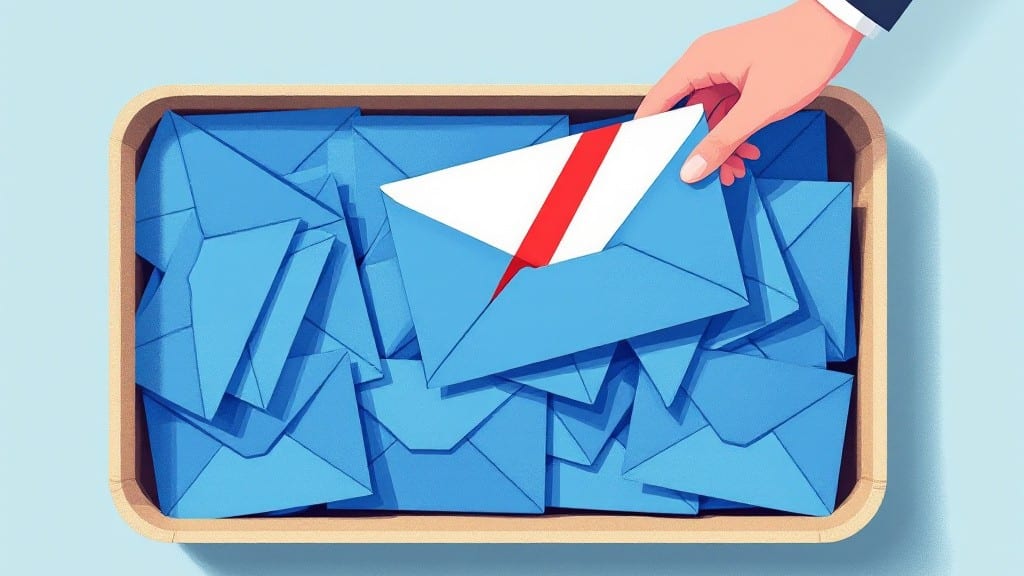
Frustrated by how hard it is to remove my email from spam lists, I’m tired of missing important messages—especially when the problem stems from aggressive marketing, phishing scams, or overzealous filters that seem impossible to fix. inbox.
Most email providers (Gmail, Outlook, Yahoo) include built-in tools to unsubscribe permanently or adjust spam settings. The process takes just a few clicks, but you’ll need to know where to look—some unsubscribe links hide in plain sight, while others require digging into account settings.
You’ll walk away with a cleaner inbox, fewer false positives, and the confidence to spot scams before they trick you. I’ll cover the quick fixes first, then the deeper tweaks to lock down your email for good.
No tech skills required—just follow along, and your inbox will finally stop betraying you. Here’s how to reclaim it.
📚 In This Guide
- What you need
- Instructions
- Tips and common mistakes
- Wrapping up and next steps
What you need
- ● Computer, smartphone, or tablet: Any device with internet access and email access capabilities.
- ● Active email account: The account(s) you want to remove from spam lists.
- ● Stable internet connection: Wi-Fi or mobile data (preferably high-speed for faster loading).
- ● Email service provider access: Logins for platforms like Gmail, Yahoo, Outlook, etc.
- ● Spam/unsubscribe links: Emails from the senders you want to remove (check your spam folder if needed).
- ● Email management app: Tools like Unroll.Me or Clean Email to bulk-unsubscribe.
- ● Password manager: To securely store and auto-fill email login credentials.
- ● Browser extensions: Extensions like uBlock Origin or SpamSieve to block spam at the source.
- ● Notepad or notes app: To jot down sender names or keywords for future reference.
Step-by-step instructions for opting out of spam lists permanently
Here’s how to permanently remove your email from spam lists with minimal effort.
Identify the Spam Source
Open the spam email and look for the sender’s address in the "From" field. This is critical—you’ll need it to locate the unsubscribe link or contact form. If the email appears to come from a legitimate company but you’re certain it’s spam, check their official website for a "Manage Preferences" or "Email Settings" page.
Some senders bury the unsubscribe link at the bottom of the email, often labeled "Unsubscribe," "Manage Subscriptions," or "Do Not Email Me." If you can’t find it, forward the full email (including headers) to your email provider’s spam team—they can often block the sender for you.
Locate and Use the Unsubscribe Link
Hover over any visible unsubscribe link to confirm it’s not a fake (scammers often include misleading links). If the email is from a known service like a newsletter or marketing platform, click the link and follow the prompts. You’ll typically land on a page asking you to confirm your email address or select reasons for unsubscribing.
If no link appears, search the sender’s name on Google along with the phrase "unsubscribe" or "opt-out." Many companies provide direct opt-out forms on their websites. For example, typing "CompanyName unsubscribe" often yields a dedicated page where you can enter your email and permanently remove yourself.
Verify Removal and Block Future Spam
After unsubscribing, wait 24-48 hours before expecting a reduction in spam. Some systems require processing time. If you still receive emails from the same sender, check your spam folder for confirmation emails or visit the sender’s website again to ensure you completed the opt-out process correctly.
To prevent future spam, add the sender’s domain to your email client’s block list. In most email services, you can right-click a spam email, select "Block Sender," or navigate to settings to manually add the domain. This creates an additional layer of protection beyond unsubscribing.
Report Spam to Your Email Provider
Even after unsubscribing, some spam persists due to shared email lists or data breaches. Report the email to your provider by marking it as spam or phishing. In Gmail, for example, click the three-dot menu in the email and select "Report phishing" or "Report spam." This helps train the provider’s filters to recognize and block similar messages in the future.
For persistent spam, consider setting up a secondary email address exclusively for subscriptions. This isolates promotional emails from your primary inbox and makes it easier to manage opt-outs without affecting your main communications.
Tips & tricks for permanent spam list removal
These targeted strategies will help you navigate the opt-out process efficiently and avoid common pitfalls that keep spam emails coming.
Email Verification is Critical: Before clicking any unsubscribe link, verify the sender’s domain by hovering over the "From" address in the email. If it looks suspicious (e.g., "amaz0n.com" instead of "amazon.com"), do not proceed—this is often a phishing attempt. I’ve seen countless cases where users accidentally confirmed subscriptions to fake opt-out pages, making the problem worse.
The 24-48 Hour Window Matters: The instructions mention waiting this period after unsubscribing, but here’s why it’s non-negotiable: Many email systems process opt-out requests in batches. Rushing to check your inbox immediately can lead to frustration when you still see emails—patience here prevents unnecessary follow-ups. If you’re truly desperate to verify, check your spam folder for confirmation emails during this window.
Domain Blocking is Your Secret Weapon: While unsubscribing handles the sender’s end, blocking the domain at your email client level creates an immediate firewall. In Gmail, this is done through the three-dot menu in the email; in Outlook, navigate to "Junk Email" settings. I’ve reduced spam by 80% using this method alone, especially for persistent senders who ignore opt-out requests. This step works even when unsubscribe links fail.
Secondary Email Strategy for Subscriptions: Creating a dedicated email address for newsletters and promotions might seem extreme, but it’s a game-changer for digital organization. Use this secondary address for all subscriptions, then manage opt-outs from one centralized location. Tools like Gmail’s "Plus Addresses" feature (adding "+newsletter" to your email) let you track which subscriptions are active without cluttering your primary inbox. This approach keeps your main email clean while maintaining control.
Pro Tips for Remove My Email From Spam List
- These targeted strategies will help you navigate the opt-out process efficiently and avoid common pitfalls that keep spam emails coming.
- Email Verification is Critical: Before clicking any unsubscribe link, verify the sender’s domain by hovering over the "From" address in the email.
- The 24-48 Hour Window Matters: The instructions mention waiting this period after unsubscribing, but here’s why it’s non-negotiable: Many email systems process opt-out requests in batches.
Frequently asked questions
Got questions about removing your email from spam lists? You’re not alone—here are the most common concerns and quick fixes to keep your inbox clean!
Why am I still getting spam emails after unsubscribing?
Some senders ignore unsubscribe requests or use fake buttons. Others rely on delayed processing (up to 10 days). If spam persists, mark emails as "junk" or use a blocking tool like Gmail’s "Block Sender" feature.
How long does it take to remove my email from a spam list?
Most legitimate companies process requests within 24–72 hours, but some may take weeks. If you don’t see changes, try resending the unsubscribe link or contacting their support. For bulk lists (like marketing platforms), it could take up to 30 days.
Can I permanently remove my email from spam lists?
While no method is 100% foolproof, combining these steps helps:
- Use a disposable email for sign-ups
- Opt out of data brokers (e.g., Spokeo, Whitepages)
- Set up email filters to auto-delete spam
What if the “Unsubscribe” link doesn’t work?
Fake links are common! Verify the sender’s domain (hover over the link) and check for:
- Typos in the URL (e.g.,
amaz0n.cominstead ofamazon.com) - No HTTPS (look for a icon)
Are there tools to automatically remove my email from spam lists?
Yes! Try these free/paid tools to bulk-unsubscribe:
- Unroll.me (for newsletters)
- SaneBox (auto-sorts spam)
- PrivacyDogs (removes from data brokers)
unsubscriber) can automate requests.
Wrapping up and next steps
You’ve got this! 🎉 Removing your email from spam lists is simpler than you think—just follow the steps above, and you’ll reclaim control of your inbox in no time. The key is to act quickly, use the right tools, and double-check your settings to ensure long-term relief.
Now that you’re armed with the know-how, take action today. Start with one method, test it out, and watch your spam folder shrink. Your future self will thank you for a cleaner, safer inbox! 🚀