
Software
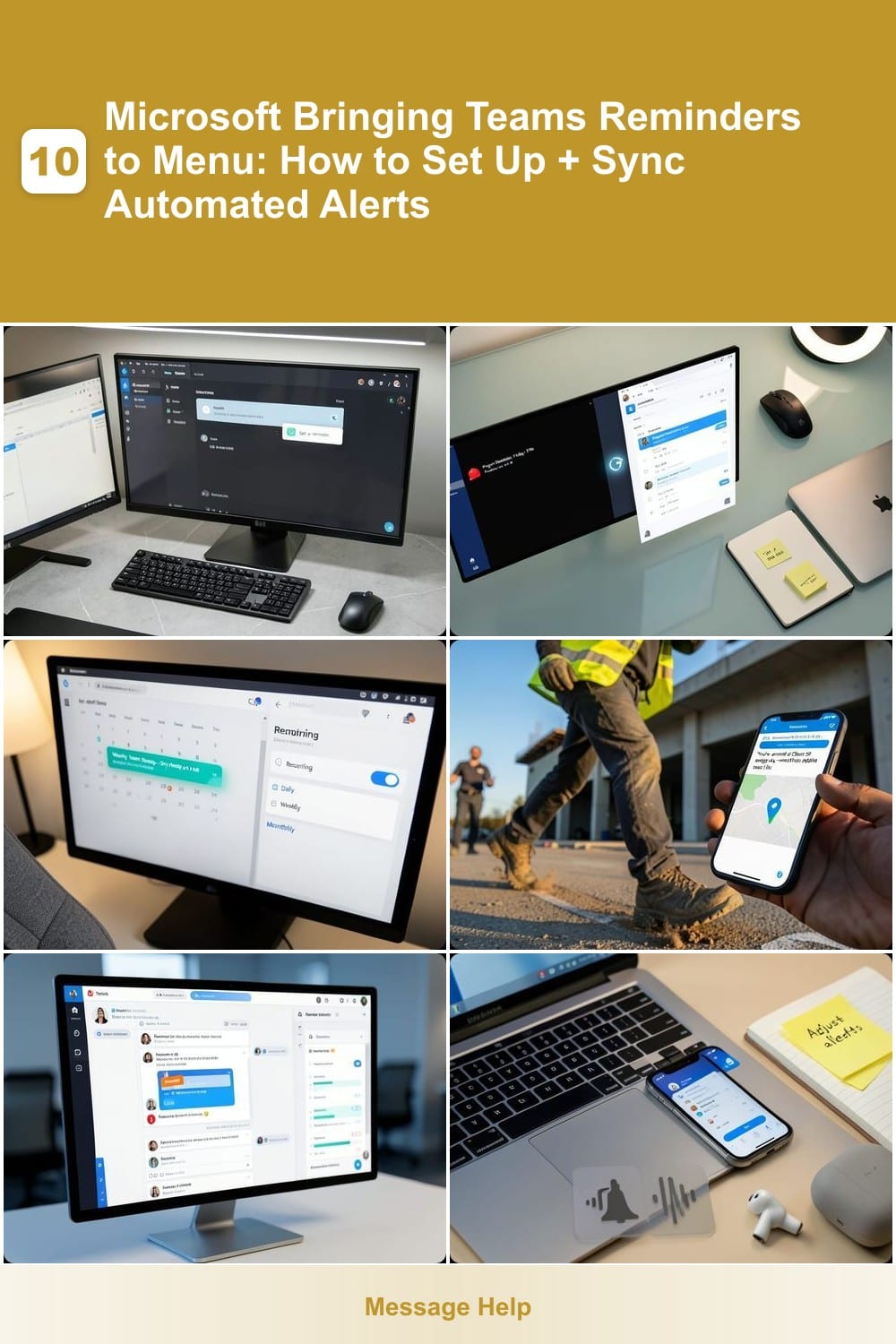
Microsoft is integrating Teams reminders directly into the app menu, making task management seamless. Learn how to set up automated alerts, sync them with Outlook, and leverage these features to boost productivity in your workflow.
Setting Up Basic Reminders in Microsoft Teams
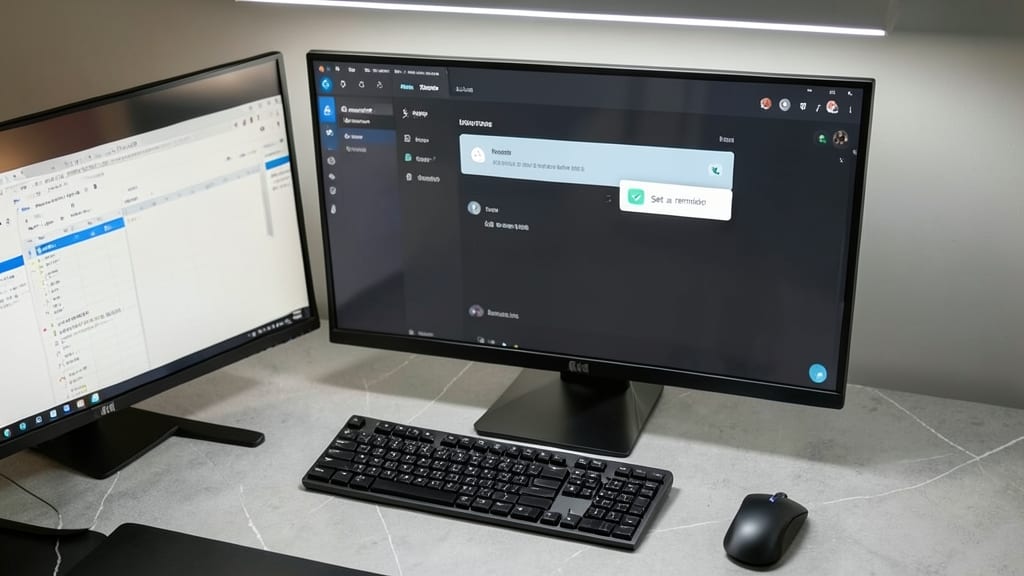
If you’ve relied on Outlook for reminders but want a simpler, built-in solution, Microsoft Teams now lets you create basic reminders directly within the app—no third-party tools required. This seamless integration is perfect for users transitioning from Outlook or those who prefer keeping tasks in one centralized hub.
To get started, open the Reminders tab in Teams (desktop or mobile) and click “Add Reminder.” Set a time, date, or recurring schedule, add details, and toggle priority levels (low, medium, or high). Unlike Outlook, Teams keeps reminders visible in your chat sidebar, so you’ll never lose track. The process takes less than 30 seconds, and you can even add attachments or mention teammates for shared tasks.
This feature is ideal for freelancers, remote workers, or small teams who want a no-fuss way to manage deadlines without switching apps. Perfect for beginners, it’s the easiest way to start using Teams reminders—zero config needed. 💻
Syncing Teams Reminders with Outlook Calendar
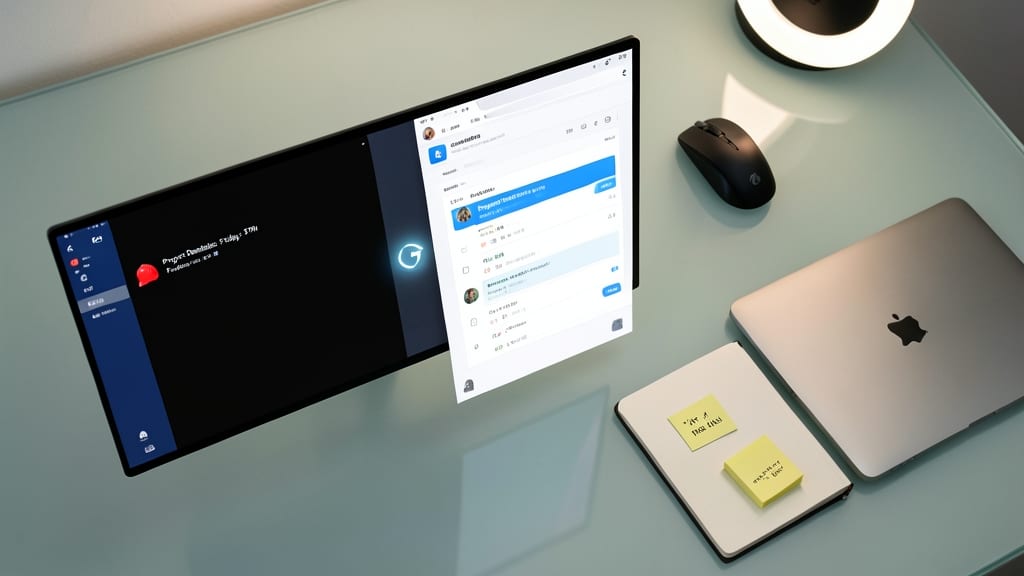
Ever missed a deadline because your Teams reminder got lost in Outlook’s clutter? The new two-way sync between Teams reminders and Outlook Calendar solves this by automatically mirroring alerts across both platforms. No more juggling apps—just one reminder system that keeps your schedule in harmony.
To enable sync, simply create a reminder in Teams (via the Reminders tab) and toggle "Sync with Outlook" in the settings. Your deadlines will appear as events in Outlook’s calendar view, complete with time zones, descriptions, and priority labels. The feature even handles updates: edit a reminder in one app, and the change reflects instantly in the other. For professionals managing cross-platform workflows, this eliminates the guesswork of manual transfers.
Perfect for hybrid teams, freelancers, or executives who rely on both tools daily. Now, your reminders travel with you—no app-switching required. ✨
Creating Recurring Reminders for Regular Tasks
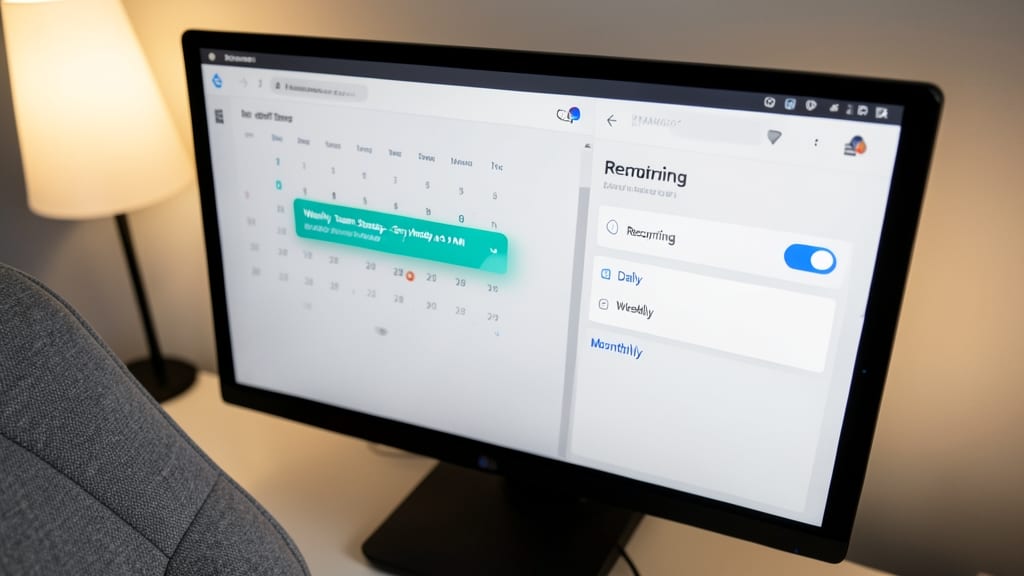
Tired of manually resetting reminders every week or month? Microsoft Teams’ recurring reminders feature automates repetitive tasks—like weekly team standups or monthly budget reviews—so you never miss a beat without lifting a finger.
Set up daily, weekly, or monthly reminders with just a few clicks, and customize the frequency to match your workflow. Whether it’s a bi-weekly client check-in or an end-of-quarter report, Teams handles the repetition while you focus on higher-priority work. The feature also syncs with Outlook, ensuring no task slips through the cracks. ⚡
Setting Location-Based Reminders in Teams

Field teams and remote workers finally get a game-changer with location-based reminders in Microsoft Teams. No more forgetting to switch tasks when arriving at a client site or office—Teams now triggers alerts based on your GPS location, keeping you on track without manual setup.
To set it up, navigate to the Reminders tab in Teams, select Location-Based Reminder, and choose a predefined location (like "Office" or "Client Site") or add a custom one. The feature uses your device’s GPS to send notifications when you’re within a 50-meter radius of the selected spot. Perfect for sales teams, contractors, or anyone juggling multiple physical locations.
Ideal for professionals who split time between offices or job sites, this feature ensures you never miss a critical task transition. Now, your workflow adapts to your movements—no extra apps needed. ⚡
Assigning Reminders to Team Members
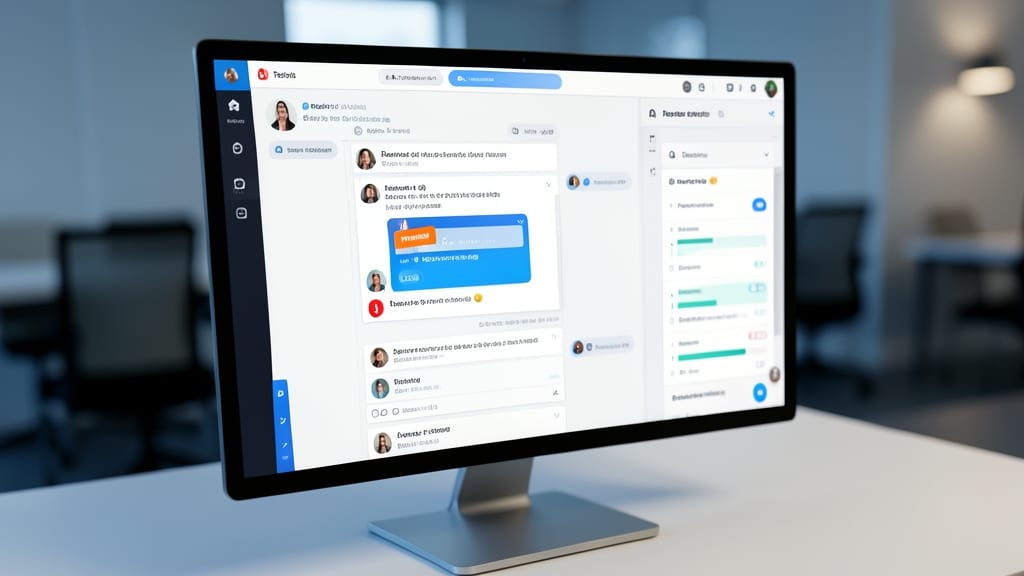
Turn solo tasks into team wins with Teams’ assignable reminders—a game-changer for project managers and remote teams. Unlike personal reminders, this feature lets you delegate tasks directly to teammates, complete with deadlines and priority labels, all within the same chat thread where discussions happen.
To assign a reminder, simply create it as usual, then select the team member’s name from the dropdown before hitting Send. They’ll receive a dedicated notification with the task details, and you can track progress in real-time through the Reminders tab in Teams. The integration with @mentions ensures no one misses their assignment, while the status updates feature keeps everyone accountable without endless follow-ups.
This is a must-use for agile teams or anyone managing cross-functional projects. Say goodbye to lost tasks and hello to smoother workflows—your team’s productivity just got a major upgrade. ✨
Customizing Reminder Notifications and Alerts
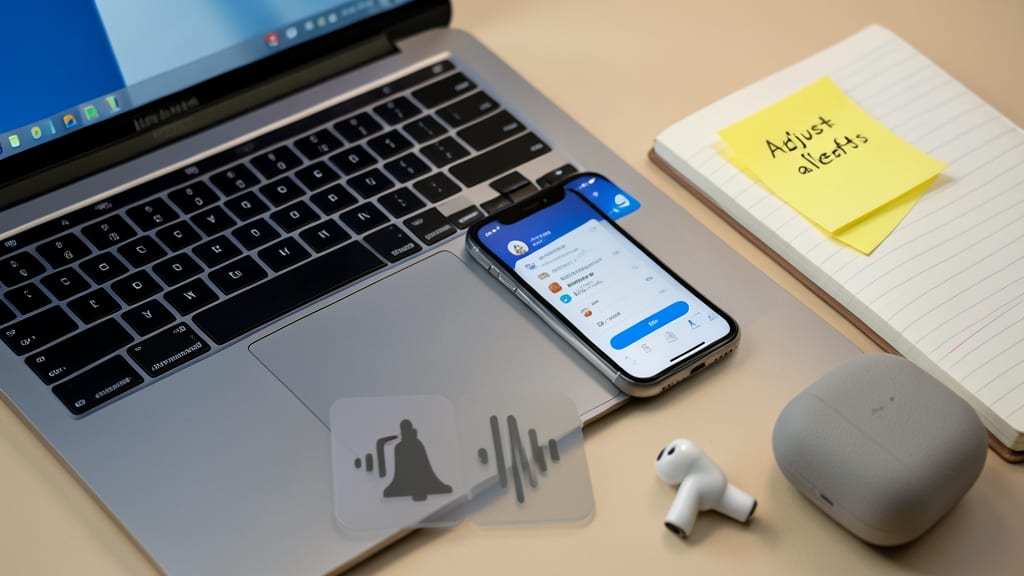
Tired of jarring reminders blaring at the worst possible moment? Microsoft Teams now lets you fine-tune notifications to match your workflow—because productivity shouldn’t come with unnecessary chaos.
Adjust sound profiles (from subtle chimes to silent vibrations), customize pop-up frequency (e.g., repeat alerts every 5 minutes), and even choose visual styles (e.g., high-contrast banners for urgent tasks). The priority slider ensures critical deadlines stand out without overwhelming you, while do-not-disturb modes let you mute notifications during focus hours. For remote workers or night owls, these tweaks make all the difference.
Perfect for knowledge workers juggling meetings and deep work, or creatives who need quiet alerts during brainstorming sessions. Your inbox will thank you. ✨
Troubleshooting Teams Reminders Not Working
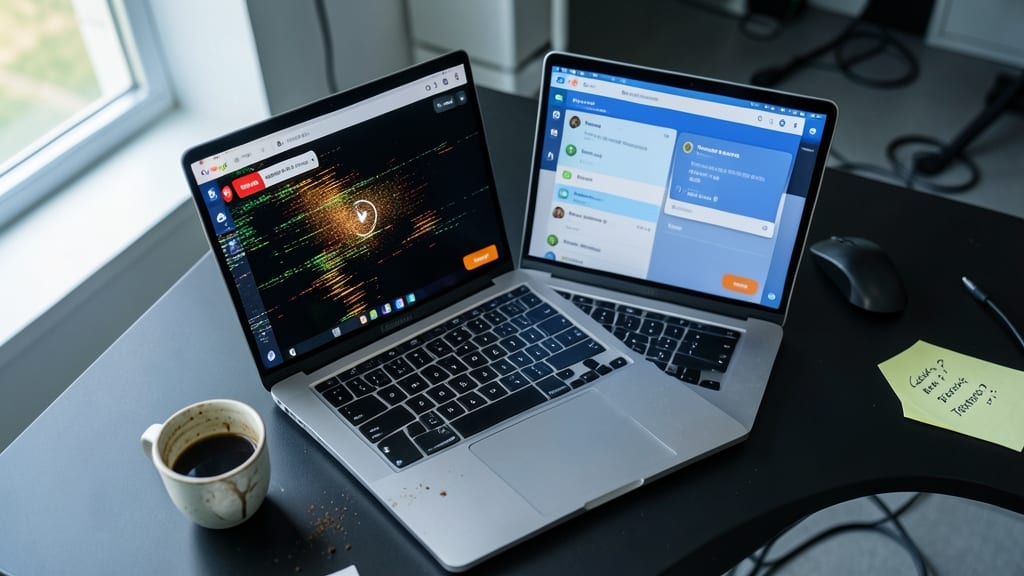
Even with Teams reminders now integrated into the menu, some users still encounter sync failures, missing alerts, or app glitches that disrupt workflows. For IT admins or power users managing teams, these issues can derail productivity—here’s how to diagnose and fix them before they escalate.
Start by checking sync status in the Teams app settings (under Reminders > Sync). If reminders vanish, force a refresh by signing out and back in, or clear the app cache via Settings > Advanced > Reset. For missing notifications, verify your device’s push notification permissions for Teams, and ensure your account is linked to Outlook if syncing. If the issue persists, test on another device or browser to isolate whether it’s a local or system-wide problem.
This troubleshooting guide is your go-to for quick fixes—ideal for IT teams or users who rely on reminders to stay on track. Now you can resolve issues faster and keep your workflow running smoothly. ✨