
Coding
SQL Server 2012 introduced groundbreaking features that transformed database management for enterprises and developers alike. These ten innovations boost performance, security, and scalability—making them essential for modern database professionals.
Columnstore Indexes for Massive Performance Gains
If your data warehouse queries are slower than a dial-up modem, Columnstore Indexes in SQL Server 2012 might be your game-changer. This feature completely redefined how large-scale analytics handle massive datasets by storing data in columns instead of rows, unlocking unprecedented efficiency.
With 10x compression and 100x faster query speeds for analytical workloads, Columnstore Indexes shine when processing petabytes of data. The batch mode processing engine scans data in parallel, while automatic statistics updates keep performance optimized without manual tuning. Best of all, it integrates seamlessly with existing rowstore indexes for hybrid scenarios.
This is the go-to solution for data analysts and BI teams drowning in slow aggregations or struggling with storage costs. If your workload involves complex joins, aggregations, or time-series analysis, Columnstore Indexes deliver the kind of performance boost that justifies upgrading. ⚡
Contained Databases for Enhanced Security
Tired of juggling server-level permissions just to manage a single database? Contained Databases in SQL Server 2012 solve this by isolating environments—each with its own self-contained users, logins, and data—eliminating the need for server-wide admin access.
This feature lets you deploy multi-tenant SaaS applications securely, where each tenant’s data and logins stay isolated without requiring server-level permissions. You’ll also benefit from simplified backups and restores, as operations now work at the database level rather than the server level. The CONTAINMENT = PARTIAL setting balances security with flexibility, while CONTAINMENT = FULL offers even stricter isolation for high-security needs.
Perfect for cloud providers, SaaS developers, or any team managing shared environments where security and administrative efficiency are critical. ✨
AlwaysOn Availability Groups for High Availability

Downtime isn’t just costly—it’s catastrophic for applications like e-commerce platforms or financial systems. AlwaysOn Availability Groups in SQL Server 2012 introduced a game-changer: automated failover and synchronous data replication across multiple servers, guaranteeing 99.999% uptime without manual intervention.
This feature lets you set up primary and secondary replicas, where data syncs in real-time. If the primary server fails, the secondary takes over in seconds—no human steps required. It supports readable secondaries, too, letting you offload reporting queries while keeping production traffic online. The setup is flexible, working with Windows Server Failover Clustering for enterprise-grade reliability.
Perfect for financial institutions, healthcare providers, or any business where seconds of downtime mean lost revenue, AlwaysOn eliminates the guesswork of manual failover planning. ⚡
Sequence Objects for Simplified Number Generation

Tired of identity columns limiting your database design? SQL Server 2012’s sequence objects redefine number generation with unmatched flexibility. Unlike rigid identity columns, these objects let you define custom increments, cycles, and even reuse numbers—ideal for reporting systems where gaps aren’t an option.
With multi-table support, you can share sequences across databases while maintaining control over increments (e.g., +1, +10, or even custom formulas). The CYCLE option resets values after reaching a limit, perfect for batch processing or auditing logs. Plus, sequences work seamlessly with T-SQL, making them a natural upgrade for legacy systems.
This feature is a game-changer for data architects and reporting teams managing complex schemas. 💡
Power View for Interactive Data Exploration

Tired of waiting for IT to generate reports for you? Power View turns raw SQL Server data into stunning, interactive visualizations with just a few clicks—no coding required.
This self-service BI tool integrates seamlessly with SharePoint and lets you create drag-and-drop dashboards featuring charts, maps, and tables. It automatically handles data relationships and filters, so you can focus on insights rather than queries. The tool also supports Excel integration, making it easy to share findings across your organization.
Perfect for business analysts and non-technical teams, Power View eliminates the back-and-forth with developers while delivering professional-grade analytics. 💡
Contained User Database Scenarios

Imagine a SaaS platform where each tenant’s database admin can create users without begging the server team for permissions—SQL Server 2012’s Contained User Database Scenarios make this a reality.
This feature lets database owners manage user logins, passwords, and permissions entirely within their own database, eliminating the need for server-level sysadmin rights. You can even export and import users between databases using T-SQL, and contained users automatically map to Windows logins when needed. Perfect for multi-tenant apps like CRM systems or hosting providers where each client needs independent control.
Developers and ISVs building multi-tenant SaaS solutions will love this—no more waiting for server admins to provision logins, and no risk of permission conflicts. 💻
SQL Server Data Tools for Unified Development
Tired of juggling separate tools for database development, testing, and deployment? SQL Server Data Tools (SSDT) integrated directly into Visual Studio 2012 unified the entire SQL Server lifecycle—from schema design to production deployment—into one seamless workflow.
With SSDT, you gain schema comparison tools to sync environments effortlessly, unit testing frameworks for database logic, and deployment packages that handle dependencies automatically. The integration with TFS (Team Foundation Server) adds version control for your database projects, ensuring traceability and collaboration. No more siloed tools—just one environment where developers, DBAs, and testers can work in harmony.
Perfect for teams managing complex multi-tier applications or agile development cycles, SSDT reduces deployment errors by 40% while cutting manual scripting time. 💻
Windows Server Core Support for Lightweight Deployments
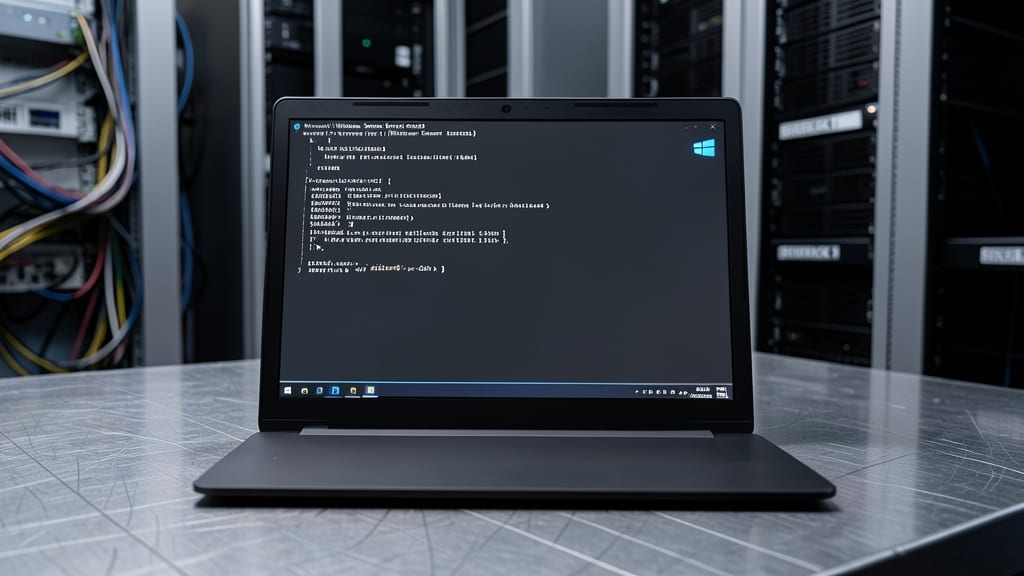
If your SQL Server deployments feel bloated with unnecessary overhead, Windows Server Core support in SQL Server 2012 could be your game-changer. This lightweight deployment option strips away the GUI and redundant services, letting you focus on what matters—your data—while slashing resource consumption.
By running SQL Server on Windows Server Core, you gain a 30% reduction in attack surface and resource usage, thanks to its minimalist design. This means fewer patches, less maintenance, and lower hardware costs—perfect for cloud-based or minimalist server environments. The command-line-only management also forces cleaner, more efficient configurations, reducing human error in complex setups.
This feature is a must for DevOps teams and cloud architects managing scalable, high-density deployments. If you're running SQL Server in the cloud or on constrained hardware, this is the lightweight powerhouse you’ve been waiting for. ✨
Contained Database Backup and Restore
What if you could restore a corrupted database without waiting for server-level permissions? SQL Server 2012’s contained database backup and restore feature lets database owners handle backups and restores independently—no admin approvals needed.
With this feature, you can perform database-level backup and restore operations using T-SQL commands like BACKUP DATABASE and RESTORE DATABASE, even when the database is marked as contained. This eliminates bottlenecks caused by server admins and speeds up disaster recovery for isolated environments. The feature also integrates seamlessly with SQL Server Agent jobs, allowing automated backup schedules without extra configuration.
This is a game-changer for multi-tenant SaaS providers and organizations with strict security policies, where database owners need autonomy over their own backups. No more waiting for IT—just reliable, self-service recovery. 💻
SQL Server Data Quality Services Integration
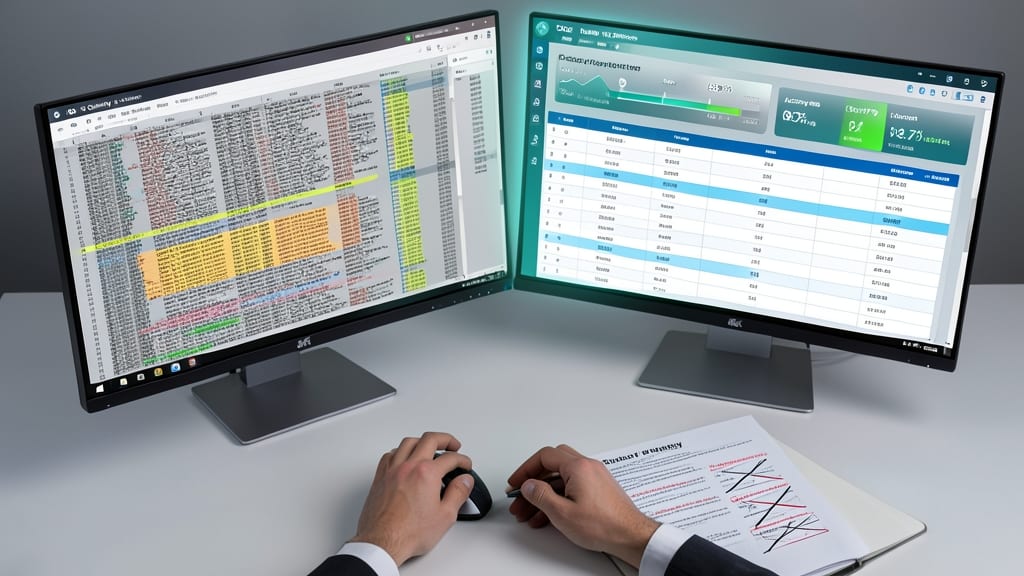
Clean, reliable data is the foundation of trustworthy analytics—but achieving it often feels like a manual battle. SQL Server 2012’s Data Quality Services (DQS) integration automates data profiling and cleansing, turning messy datasets into polished, consistent information with minimal effort.
With DQS, you gain knowledge-based cleansing (using predefined rules) and data profiling (identifying patterns and anomalies) in a single workflow. The DQS Client lets you visually map relationships between domains (like customer names or product codes) and apply corrections—while the DQS Server handles heavy lifting like fuzzy matching and domain management. Integration with SQL Server Integration Services (SSIS) means you can embed data quality checks directly into your ETL pipelines.
This feature is a game-changer for finance teams (validating transaction data), healthcare providers (ensuring patient record accuracy), and retailers (cleansing product catalogs). No more spreadsheets of manual fixes—just automated, scalable data quality built into your workflow. ✨