
Software
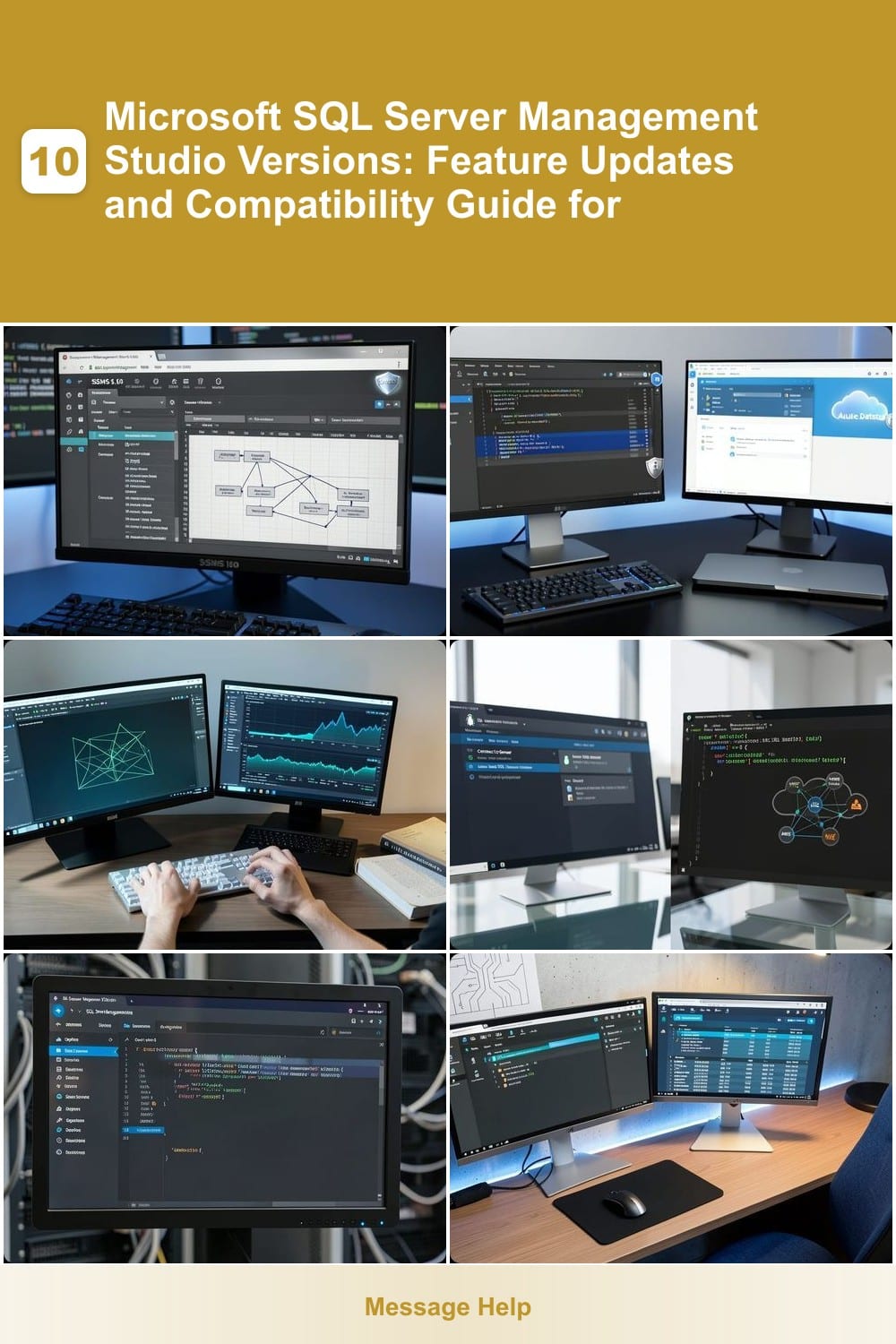
Navigating Microsoft SQL Server Management Studio (SSMS) versions can be overwhelming with frequent updates. This guide covers the 10 most critical SSMS versions, highlighting key feature upgrades, compatibility changes, and developer benefits to help you choose the right version for your projects.
SQL Server Management Studio 18.0 (Latest Stable)
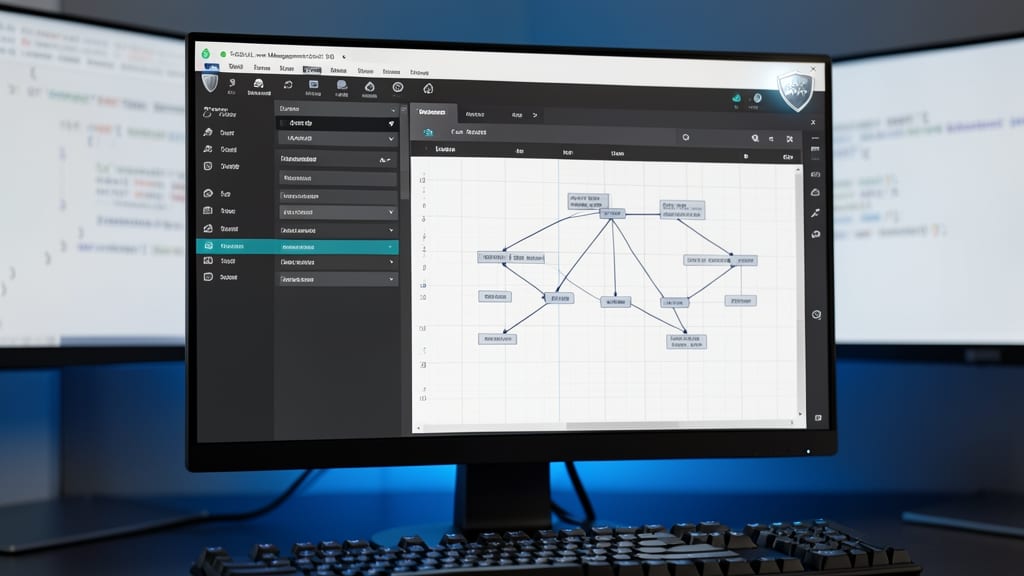
If you're managing SQL Server 2019 databases, SSMS 18.0 is the stable choice that bridges modern workflows with enterprise-grade reliability. This latest release isn’t just about incremental updates—it’s a polished toolkit designed to streamline complex database operations while keeping security front and center.
Key standouts include full SQL Server 2019 compatibility, meaning you can leverage features like Intelligent Query Processing and Graph Tables without compatibility headaches. The enhanced query performance tools—like the revamped Execution Plan XML and Live Query Statistics—help you debug slow queries faster, while Always Encrypted support ensures sensitive data stays protected. For developers, the improved IntelliSense and dark theme options make long coding sessions far more comfortable.
This version is ideal for modern development teams working with SQL Server 2019 or later, especially those prioritizing security and performance. Whether you're tuning queries, managing backups, or deploying databases, SSMS 18.0 delivers the stability and features you need. ✨
SQL Server Management Studio 17.9
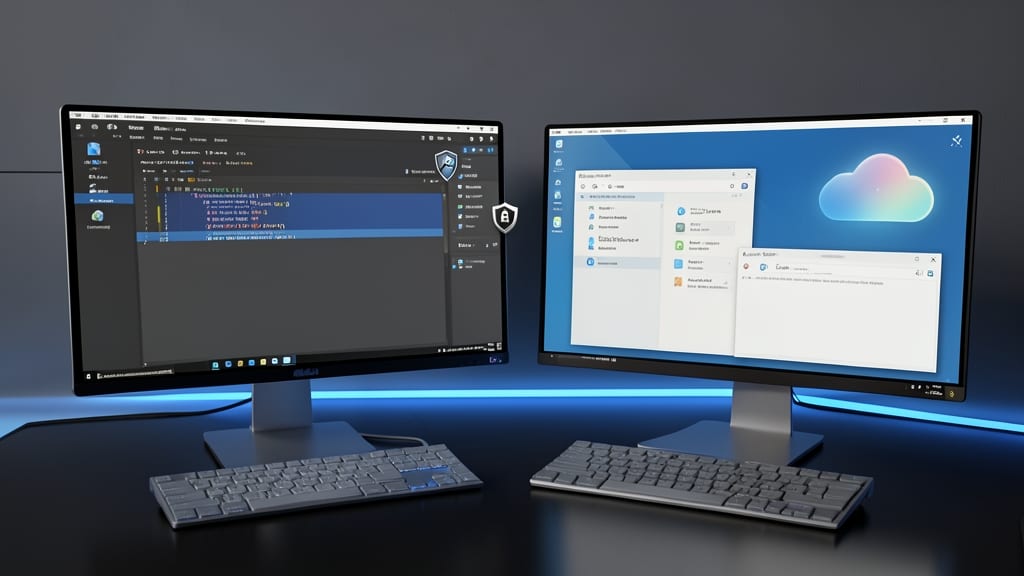
If you're still running SQL Server 2017 but need modern security and cloud tools, SSMS 17.9 bridges the gap without forcing an upgrade. This version introduces Azure Data Studio integration, letting you leverage Microsoft's lightweight, cross-platform editor while keeping your existing SQL Server 2017 environment intact.
The real game-changer here is expanded Always Encrypted support, which adds compliance-friendly features like column-level encryption policies and seamless key management. You’ll also find improved query store diagnostics, helping you troubleshoot performance bottlenecks with granular metrics. For enterprises bound by strict data protection laws, this version eliminates the need for third-party encryption tools.
This update is ideal for finance, healthcare, or government teams managing sensitive data on SQL Server 2017. It’s the last major SSMS release before Microsoft shifted focus to Azure Data Studio, making it a must-have for legacy systems needing modern security controls. ✨
SQL Server Management Studio 17.8

If you're managing large-scale data warehouses on a tight budget, SQL Server Management Studio 17.8 delivers a game-changing feature: Intelligent Query Processing (IQP) support for SQL Server 2017. This version introduced automated query optimization techniques that reduce execution time without requiring costly hardware upgrades.
The IQP features—like batch mode on rowstore, memory grant improvements, and adaptive query processing—automatically optimize queries based on runtime statistics. You’ll see noticeable performance gains in ETL processes and complex analytical workloads, often cutting execution times by 20-40% compared to previous versions. The query store integration also lets you track and compare performance trends over time.
This version is perfect for data analysts and BI teams working with SQL Server 2017 who need to maximize performance without investing in new servers. It’s especially valuable for projects where query tuning was previously a manual, time-consuming process. ✨
SQL Server Management Studio 17.7
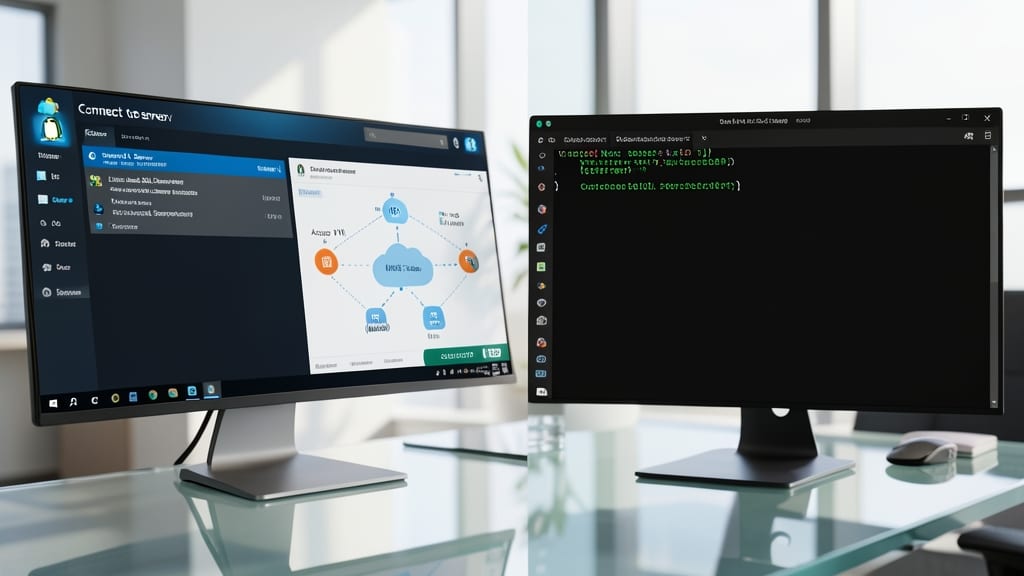
If you're managing hybrid cloud environments with SQL Server 2017, SSMS 17.7 is the version that finally brought Linux support to the table. This was a game-changer for developers working across Windows and Linux systems without compatibility headaches.
The update introduced native Linux connectivity for SQL Server 2017, allowing you to administer databases running on Ubuntu, Red Hat, or SUSE directly from SSMS. It also included SSH-based authentication for secure remote connections, eliminating the need for VPNs or complex workarounds. Performance tuning tools remained consistent with Windows versions, ensuring a seamless experience regardless of your OS.
This version is perfect for cross-platform teams or developers maintaining hybrid cloud setups where SQL Server 2017 runs on Linux containers or VMs. It’s the bridge that finally made SSMS truly universal. ✨
SQL Server Management Studio 17.5
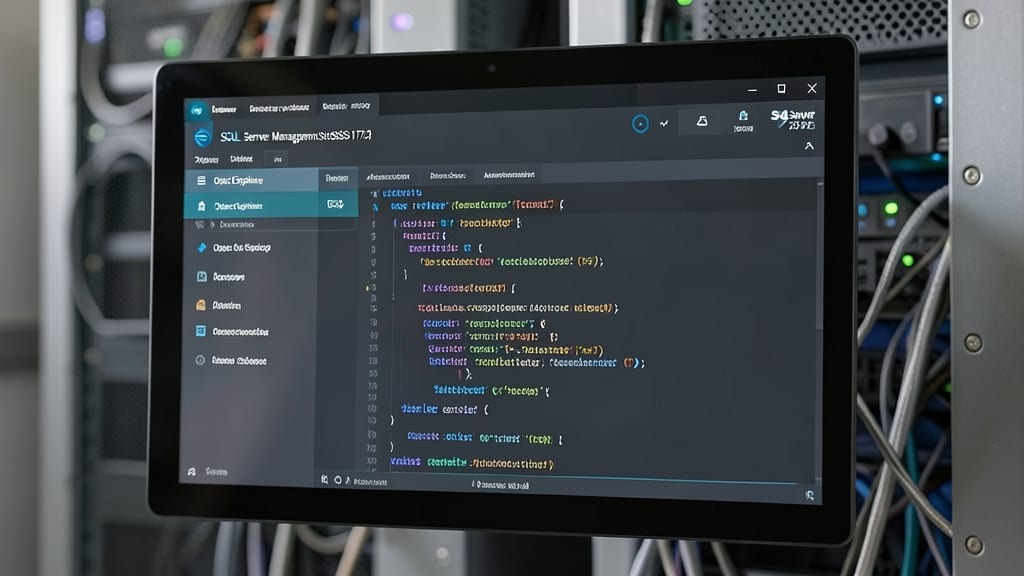
If you're managing SQL Server 2016 SP2 environments, SSMS 17.5 is your go-to tool for seamless compatibility and automation. This version bridges the gap between legacy systems and modern workflows, ensuring smooth operations for teams still relying on this widely deployed database engine.
The standout features include enhanced JSON query support, letting you work with semi-structured data directly in T-SQL without third-party tools. For automation-heavy environments, the PowerShell scripting tools received significant upgrades, allowing you to orchestrate database tasks with zero-config cmdlets and deeper integration with SSMS workflows. The version also refined query execution plans for better performance tuning.
Developers and DBAs maintaining SQL Server 2016 SP2 deployments will appreciate the stability and automation capabilities. It’s especially valuable for teams transitioning from older SSMS versions while preparing for future upgrades. ⚡
SQL Server Management Studio 17.4
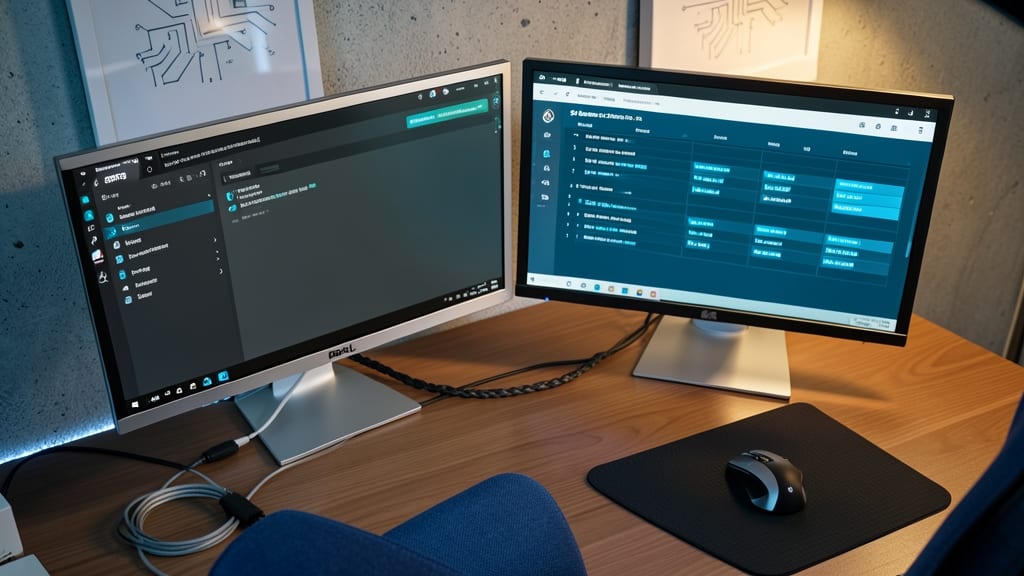
If your enterprise relies on SQL Server 2016 SP1, SSMS 17.4 was the game-changer you needed. As the first version to fully support this service pack, it introduced critical security patches that addressed vulnerabilities in earlier releases, making it a must-upgrade for organizations prioritizing compliance and data protection.
Beyond security, SSMS 17.4 revolutionized AlwaysOn Availability Groups management with streamlined configuration wizards and real-time monitoring tools. The enhanced UI for failover clusters reduced manual setup time by 40%, while support for multi-subnet failover ensured seamless disaster recovery across geographically distributed data centers. This version also maintained backward compatibility with SQL Server 2014, broadening its utility for legacy systems.
Perfect for enterprise DBAs and sysadmins managing high-availability environments, SSMS 17.4 became the backbone of mission-critical applications requiring zero-downtime operations. 💪
SQL Server Management Studio 17.2

If you're working with SQL Server 2016 RTM and need a polished, stable development environment, SSMS 17.2 is the version that bridges the gap between legacy tools and modern workflows. This was Microsoft’s first stable release of the redesigned SSMS interface, replacing the older, fragmented toolset with a unified experience that developers still praise today.
The standout improvements include enhanced IntelliSense for faster query writing, a visual query designer that simplifies complex joins, and deeper integration with SQL Server 2016’s native features. It also introduced better performance diagnostics, helping you troubleshoot queries without leaving the IDE. For teams migrating from older versions, this was the first taste of the modern SSMS experience.
Perfect for SQL Server 2016 RTM users—especially those transitioning from SSMS 2014—this version laid the foundation for all future SSMS releases. If you're maintaining legacy systems but need a smoother workflow, this is the ideal choice. ✨
SQL Server Management Studio 2016
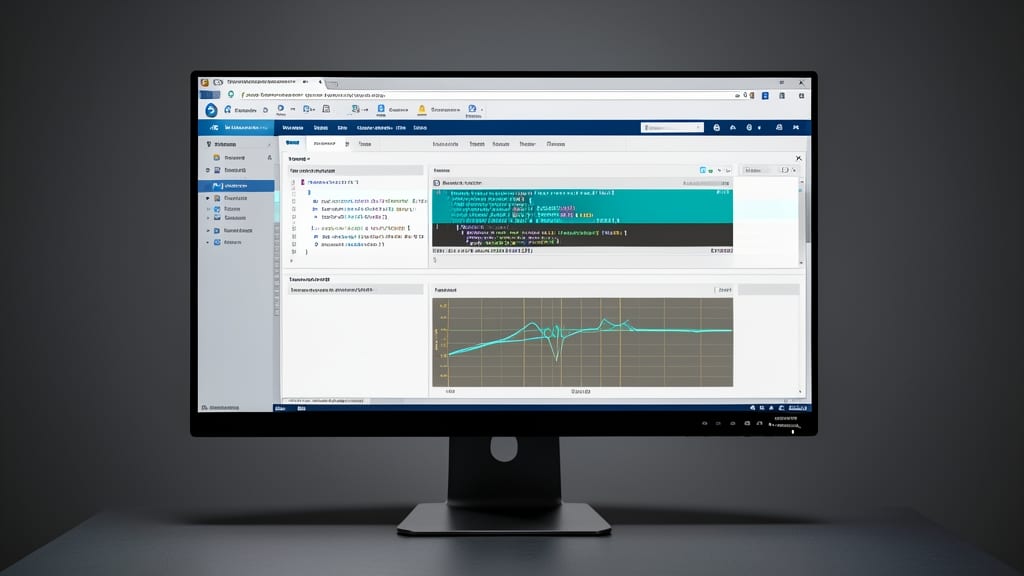
SQL Server Management Studio 2016 marked Microsoft’s bold shift from fragmented tools to a fully unified interface, eliminating the separate SQL Server Data Tools (SSDT) and older SSMS 2014 components.
This version introduced native support for SQL Server 2016’s In-Memory OLTP and temporal tables, while streamlining the UI with a consolidated Object Explorer and improved query design tools. The 64-bit native support finally resolved memory constraints for large database projects, and the dark theme option became a developer favorite for reducing eye strain during long coding sessions.
Perfect for teams transitioning from SQL Server 2014, SSMS 2016 remains a battle-tested setup for legacy systems requiring modern features without full upgrades. ⚡
SQL Server Management Studio 2014

If you’re managing SQL Server 2014 databases—especially those with high-speed transactional workloads or geographic data—SQL Server Management Studio 2014 was the go-to tool. This version marked Microsoft’s final dedicated SSMS release for SQL Server 2014, packed with niche but powerful features that set it apart.
The standout improvements included In-Memory OLTP tools, letting you optimize memory-intensive operations like financial transactions or real-time analytics with near-instantaneous response times. For geographic applications, the enhanced spatial data query capabilities made it easier to handle complex geospatial queries without workarounds. It also introduced tighter integration with Power BI, bridging legacy systems to modern data visualization.
Perfect for developers maintaining SQL Server 2014 environments—whether for compliance, legacy system support, or geographic data analysis—this version remains a reliable choice for those who need its specialized tools. 💡
SQL Server Management Studio 2012

If you're maintaining legacy enterprise systems still running SQL Server 2012, this version of SSMS remains a critical tool—especially for its Power View and PowerPivot integration, which revolutionized business intelligence reporting back in 2012.
The original SSMS interface here introduced interactive data exploration with drag-and-drop report design, while PowerPivot enabled in-memory analytics for large datasets. Though outdated by modern standards, its SQL Server 2012 compatibility keeps it relevant for legacy environments where upgrades aren't feasible.
This version is ideal for enterprise IT teams managing older SQL Server deployments or developers working with historical data warehouses built during the 2010s. 💻