
Software
Mastering Microsoft Access can unlock powerful database management skills—but you don’t need to pay for training. These 10 free online courses cover everything from beginner basics to advanced queries, designed for students, professionals, and database enthusiasts alike.
Microsoft Access Beginner Tutorial for Absolute Beginners
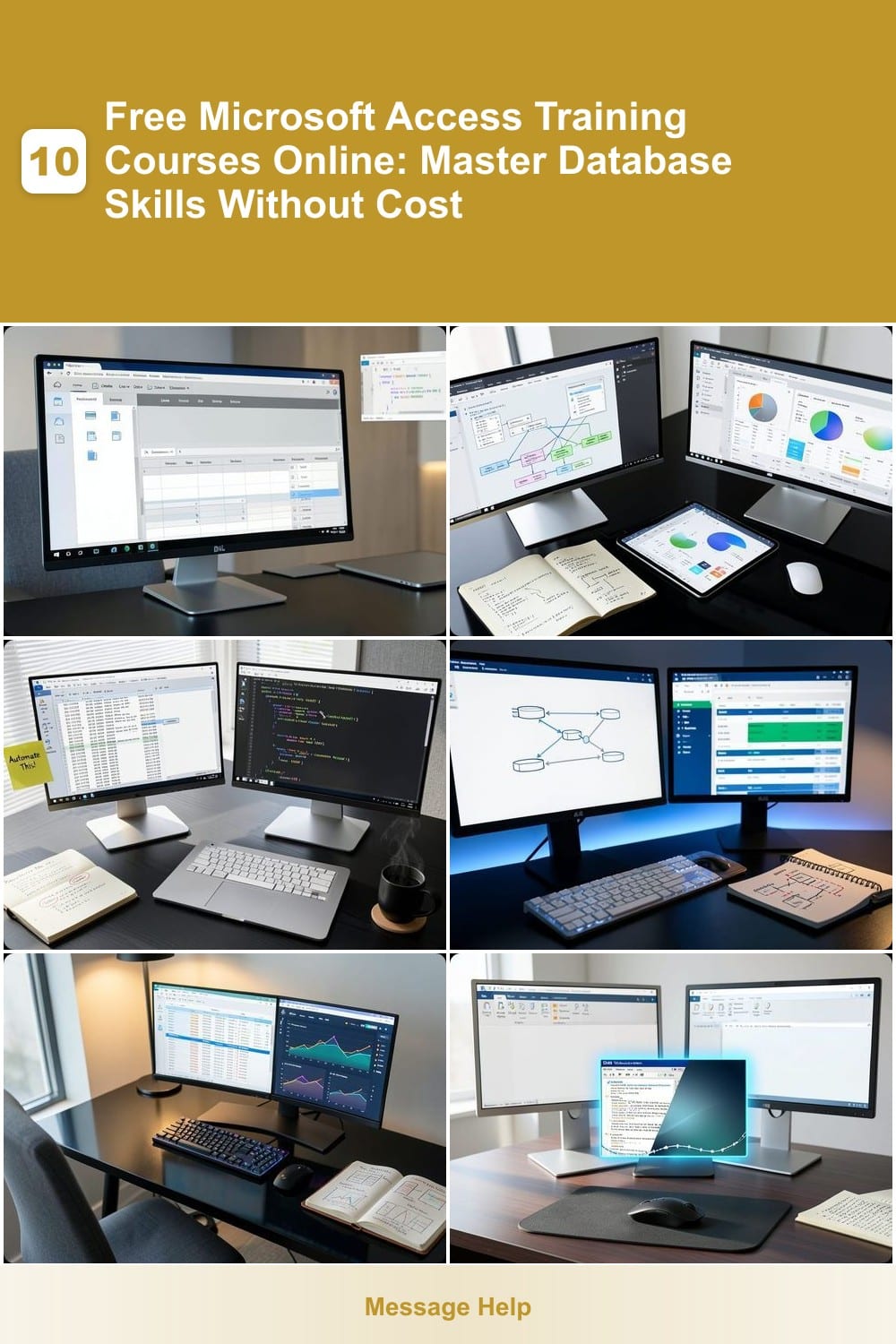
Stuck staring at Microsoft Access’s ribbon menu, wondering where to start? This absolute beginner tutorial skips the jargon and teaches you the essentials—table creation, field types, and simple queries—in just under 2 hours. No prior experience? No problem. The course begins with opening Access and ends with you confidently designing a functional database.
You’ll master primary keys, relationships, and basic filters through hands-on exercises, like building a customer contact database or inventory tracker. The step-by-step videos break down the Ribbon interface and Query Designer without overwhelming you, ensuring you grasp concepts like sorting, grouping, and criteria-based searches effortlessly.
Perfect for small business owners, students, or office workers who need to organize data but dread complex tutorials. Whether you’re tracking sales, managing events, or just tidying up spreadsheets, this course gives you the confidence to start building—no tech degree required. ⚡
Microsoft Access Advanced Queries and Reports
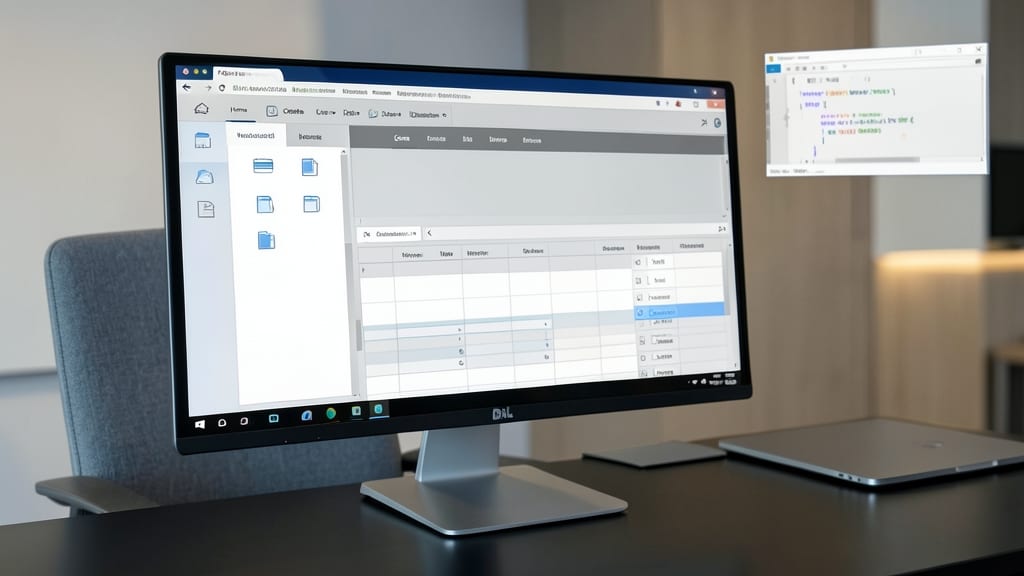
Ready to take your Microsoft Access skills beyond basic queries? This course unlocks the power of advanced queries—including parameter queries, nested queries, and multi-table joins—to extract precise insights from complex datasets. You’ll also learn to design professional reports with dynamic controls, charts, and conditional formatting that adapt to your data.
The training covers SQL-like query syntax (without requiring full SQL knowledge), subqueries for hierarchical data, and report templates that auto-update when your data changes. Hands-on exercises include building a sales performance tracker with interactive filters and a customer analytics dashboard—perfect for users who’ve mastered basics but need to analyze deeper trends.
Ideal for business analysts, project managers, or small business owners who need to turn raw data into actionable reports. Whether you’re tracking inventory trends or generating client summaries, these skills will cut hours off your workflow. 💡
Microsoft Access VBA Programming for Automation

Tired of manually updating the same reports or running identical queries every month? Microsoft Access VBA Programming for Automation lets you turn repetitive tasks into effortless macros—no coding degree required.
With VBA (Visual Basic for Applications), you can automate everything from data imports to custom button actions using simple scripts. The course covers event-driven programming, debugging tools, and even how to create your own user-defined functions to extend Access beyond its native limits. Perfect for power users who want to save hours weekly without learning full-fledged programming.
This is your secret weapon if you manage databases for small businesses, track inventory, or handle customer records—where efficiency matters more than complex algorithms. ✨
Microsoft Access Database Design Fundamentals

Want to build databases that scale without getting tangled in messy relationships? This course focuses on relational database design fundamentals, teaching you how to structure tables, define primary/foreign keys, and optimize performance from day one.
You’ll dive into hands-on table design exercises that cover normalization (up to 3NF), indexing strategies, and relationship types (one-to-many, many-to-many). The curriculum also includes real-world examples like inventory systems and customer databases to reinforce concepts. Unlike generic tutorials, this one emphasizes scalability—critical for databases that grow beyond simple projects.
Perfect for students, small business owners, or analysts who need to design databases that last. Whether you're planning a personal project or a client solution, these fundamentals will save you from costly redesigns later. ✨
Microsoft Access for Data Analysis and Business Intelligence

Turn raw data into clear, actionable business insights without needing a data scientist’s toolkit. This course focuses on Microsoft Access’s built-in analytics tools, teaching you to create dynamic pivot tables, custom charts, and interactive dashboards that reveal trends at a glance.
You’ll learn to filter data with parameter queries, visualize KPIs using embedded charts, and design self-service dashboards that update automatically. The hands-on exercises cover real-world scenarios like sales performance tracking and inventory analysis—perfect for professionals who need to present data-driven recommendations.
Ideal for marketing analysts, operations managers, and small business owners, this course helps you turn spreadsheets into strategic assets. No coding required—just point-and-click intelligence. ✨
Microsoft Access 2019/2016 Complete Training Course

Stuck between Access 2016 and 2019? This version-spanning course bridges the gap by covering both releases—plus the new features in 2019—without requiring you to hunt for separate tutorials. It’s the only free resource that treats version differences as a strength, not a barrier.
The 12-hour video series includes step-by-step breakdowns of timeline controls, data labeling improvements, and enhanced web app publishing—all paired with downloadable project files for hands-on practice. Unlike generic tutorials, it walks you through building a real inventory system or client tracking database, so you’re not just memorizing tools but applying them.
Perfect for small business owners, freelancers, or students upgrading from older versions or transitioning from 2016 to 2019. No prior experience needed—just bring your curiosity! ✨
Microsoft Access Macros and Forms Development
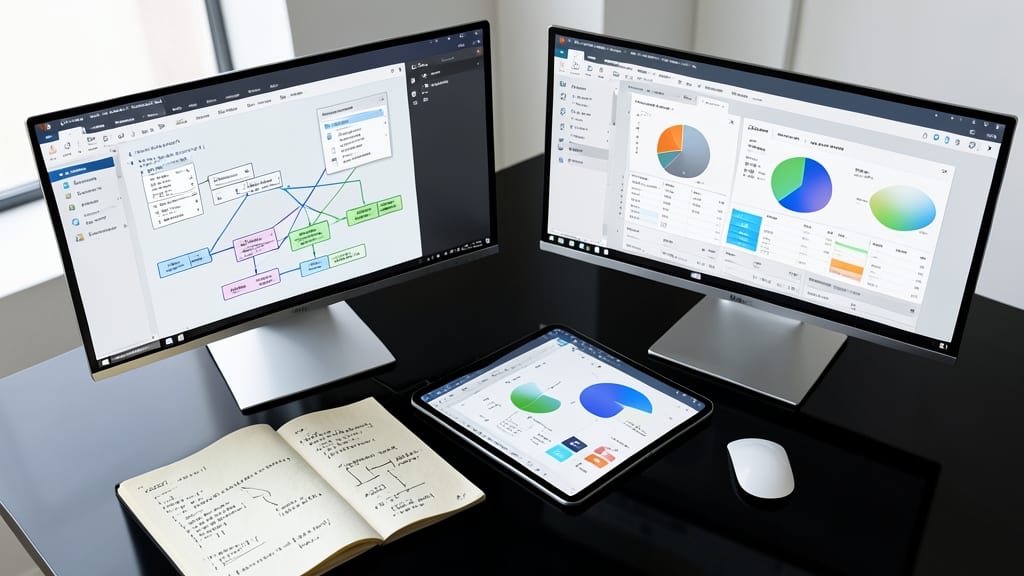
Want to build custom applications without diving into full-blown programming? Microsoft Access macros and forms development lets you automate workflows and design intuitive interfaces using a visual, no-code approach—ideal for developers who prefer rapid prototyping over complex scripting.
This course teaches you to create interactive forms with validation rules, conditional formatting, and event-driven actions (like auto-populating fields). You’ll also learn to write macros—simple scripts that trigger actions when buttons are clicked or data changes—using Access’s built-in Macro Builder (no VBA required). Perfect for tasks like generating reports, validating user input, or connecting forms to queries.
Best for small business owners, citizen developers, and IT pros who need to deliver functional applications quickly. Whether you're building an inventory system or a customer portal, these skills let you turn Access into a full-fledged tool—without writing a single line of code. ✨
Microsoft Access for Non-Techies: Practical Database Skills
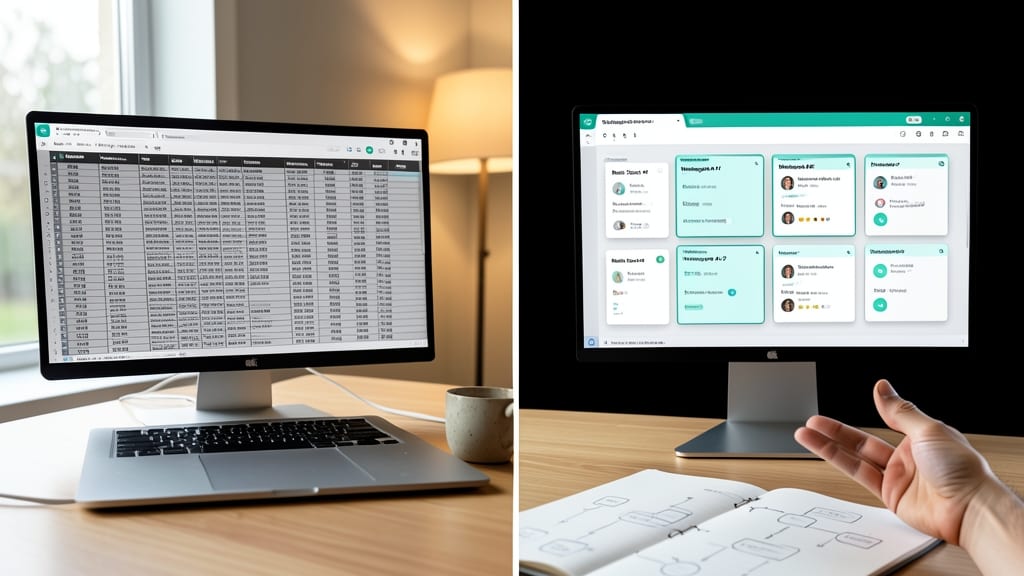
If spreadsheets feel limiting but coding seems overwhelming, this course bridges the gap with zero jargon—teaching you to organize data like a pro without intimidating tech speak.
You’ll learn to build custom databases for inventory tracking (think retail or warehouse management) and customer relationship tools (like contact lists with notes and follow-ups), all using drag-and-drop simplicity. The course skips complex theory, focusing instead on practical templates you can adapt to your own projects immediately.
Perfect for small business owners, office managers, or anyone tired of manual spreadsheets—this is your shortcut to effortless data organization. ✨
Microsoft Access Security and Data Protection Best Practices
If your Microsoft Access databases contain patient records, financial data, or client information, security isn’t optional—it’s a necessity. This course dives into real-world protection strategies, teaching you how to implement database-level encryption, restrict access with granular user permissions, and automate secure backups without breaking workflows.
You’ll learn to configure Microsoft Access’s built-in security features, like password policies and data validation rules, while also exploring third-party tools for advanced encryption and audit logging. The course even covers how to recover from ransomware attacks with point-in-time restore points, ensuring your critical data stays intact even in worst-case scenarios.
Perfect for compliance officers, healthcare professionals, and small business owners managing sensitive data, this training gives you the confidence to lock down your databases while keeping operations smooth. 🔧
Microsoft Access Migration and Integration Guide
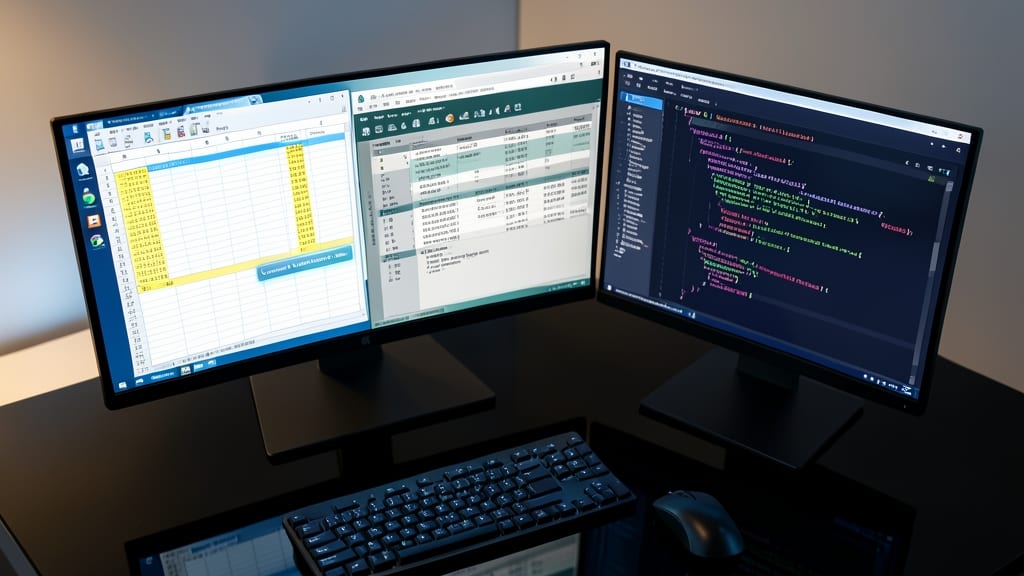
Working across Excel, SQL Server, and Access? This guide eliminates the frustration of data silos by teaching seamless import/export workflows between platforms. You’ll learn to convert Excel spreadsheets into Access tables with a single click, or push Access data to SQL Server for enterprise-grade scalability—all without manual re-entry.
The course covers ODBC connections, Linked Tables, and Power Query techniques to maintain data integrity during transfers. Step-by-step demos show how to handle mismatched field types, preserve relationships, and even automate refreshes with VBA scripts—perfect for users juggling multiple tools in finance, operations, or IT.
Whether you’re migrating legacy systems or syncing departmental tools, this is the missing piece for cross-platform efficiency. 💻