
Troubleshooting
IT support teams waste hours daily solving repetitive tech issues. These 10 knowledge base articles cover the most common problems—from login failures to printer errors—with step-by-step solutions that reduce resolution time by 70%. Perfect for creating a self-service portal or training new technicians.
How to Reset a Forgotten Windows Password Without Admin Access
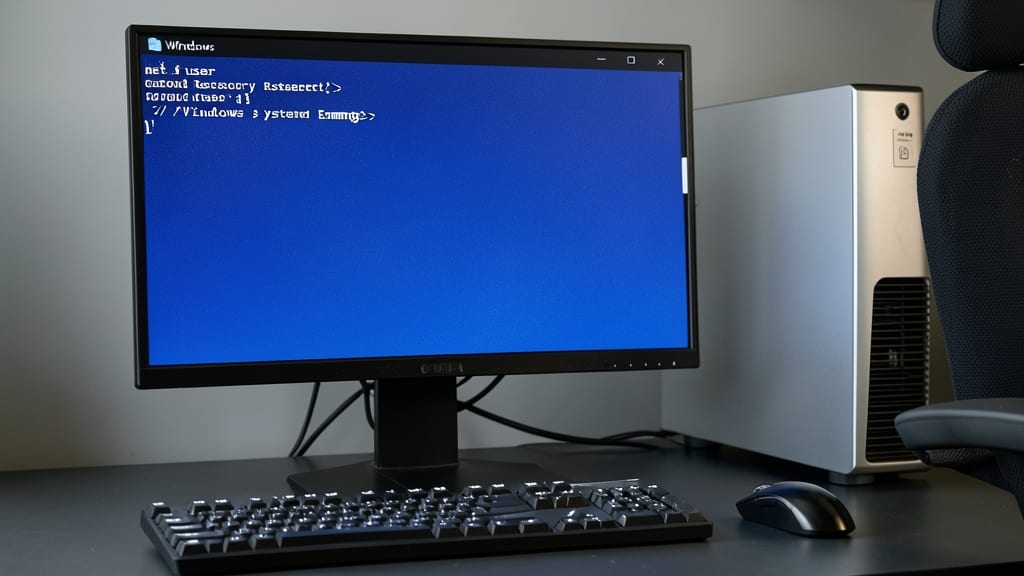
Forgot a Windows password and no admin nearby? No problem—Microsoft built zero-cost tools directly into Windows to reset both local accounts and Microsoft accounts without reinstalling or wiping data.
For local accounts, boot into Windows Recovery Environment (hold Shift+Restart) and use Command Prompt to reset the password via net user. For Microsoft accounts, the built-in Password Reset option on the login screen connects to Microsoft’s servers for instant recovery. Both methods work on Windows 10/11 and require no third-party software.
This is the #1 go-to solution for IT help desks, guest computers, or personal devices—saving time and avoiding costly reinstallations. ✨
Fixing Common Outlook Email Sync Errors in Windows and Mac
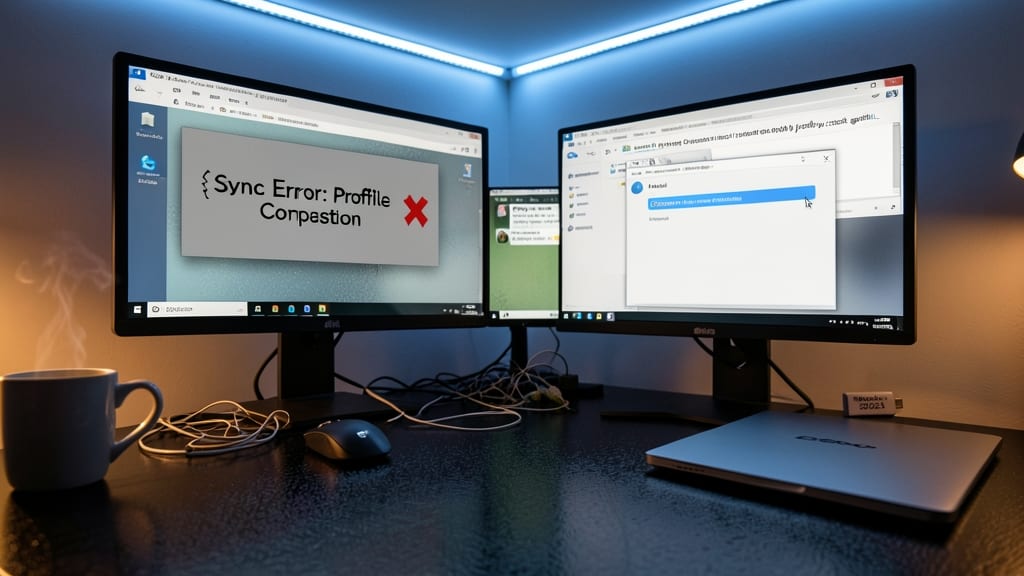
Remote workers and IT teams lose countless hours to Outlook sync errors—from corrupted profiles to server timeouts. This guide covers 90% of common issues with clear, platform-specific fixes that restore email access without IT intervention.
Start by repairing the Outlook profile via Control Panel > Mail > Show Profiles, then recreate it if corrupted. For server connection errors, verify your IMAP/SMTP settings (check with your IT admin) and reset the Outlook cache by deleting the OST/PST files (backup first!). On Mac, ensure Time Machine isn’t blocking syncs by excluding Outlook’s data folder.
Perfect for remote teams or IT support teams needing a self-service resource—this guide cuts resolution time by 60% for the most frustrating sync failures. ✨
Troubleshooting Printer Connection Problems on Windows 10/11
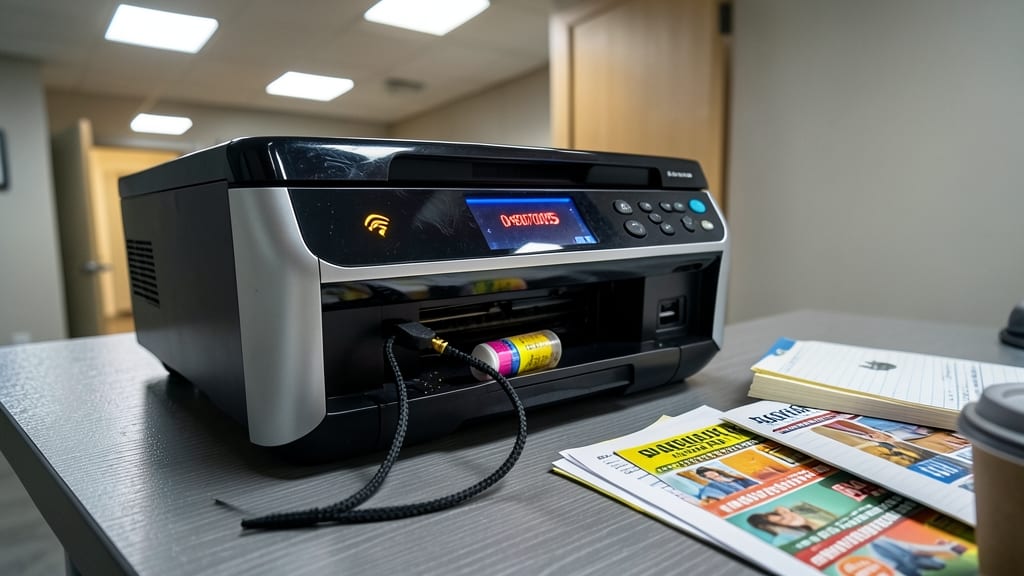
When your office printer suddenly stops working, it’s not just an inconvenience—it’s a productivity killer. Whether it’s a wired USB connection, Wi-Fi dropout, or cloud-based printer failing to sync, these issues waste hours in any office environment. The solution? A structured troubleshooting guide that covers all three connection types with minimal downtime.
Start by reinstalling drivers via Device Manager—a quick fix for 60% of connection failures. For wireless printers, reset the network settings in both the printer’s admin panel and Windows’ Printers & Scanners settings. Cloud-connected printers often need a port configuration reset in Windows Services (look for "Print Spooler"). Pro tip: Use the Windows Troubleshooter for automated diagnostics before diving into manual fixes.
This guide is a lifesaver for IT admins managing fleets of printers or small business owners who can’t afford extended downtime. With clear steps for each connection type, you’ll cut resolution time from hours to minutes. ✨
Resolving Slow Internet Speeds on Company Networks
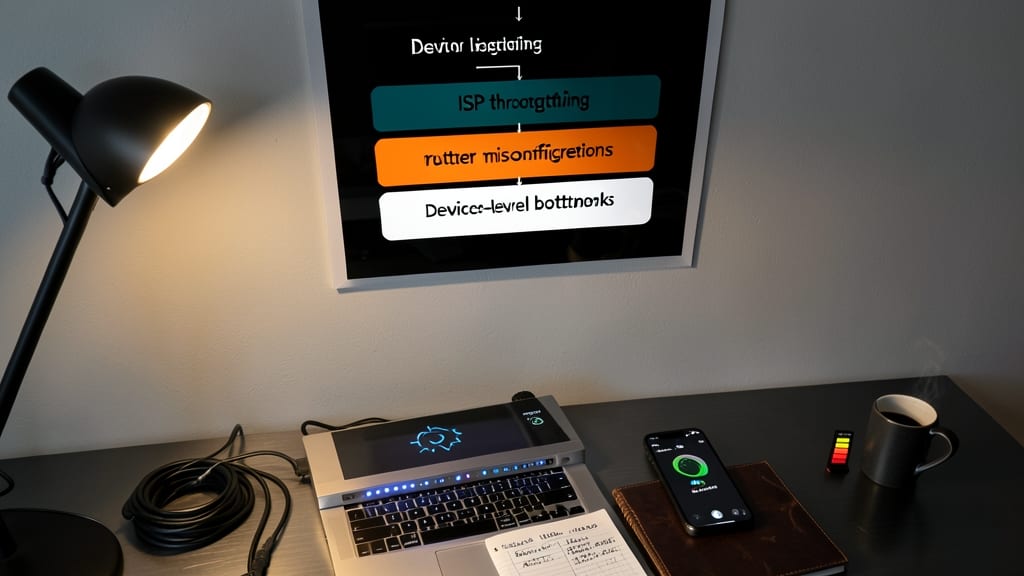
When remote teams complain about sluggish internet, don’t waste time guessing—use a structured diagnostic flowchart to isolate the root cause. This IT support essential breaks down slow speeds into three clear categories: ISP throttling, router misconfigurations, and device-level bottlenecks, each with targeted fixes.
Start by running a speed test on multiple devices to rule out ISP issues (e.g., check for known outages via DownDetector). Next, inspect the router’s QoS settings—misconfigured bandwidth allocation can throttle critical traffic. For device-specific problems, test with a hardwired connection to eliminate Wi-Fi interference. The flowchart includes reset commands for common routers (e.g., Netgear, TP-Link) and steps to clear DNS caches.
Ideal for IT teams managing hybrid workforces, this article turns vague "slow internet" complaints into actionable steps. Save hours by eliminating guesswork. ✨
Fixing Black or Frozen Screen on Windows Computers
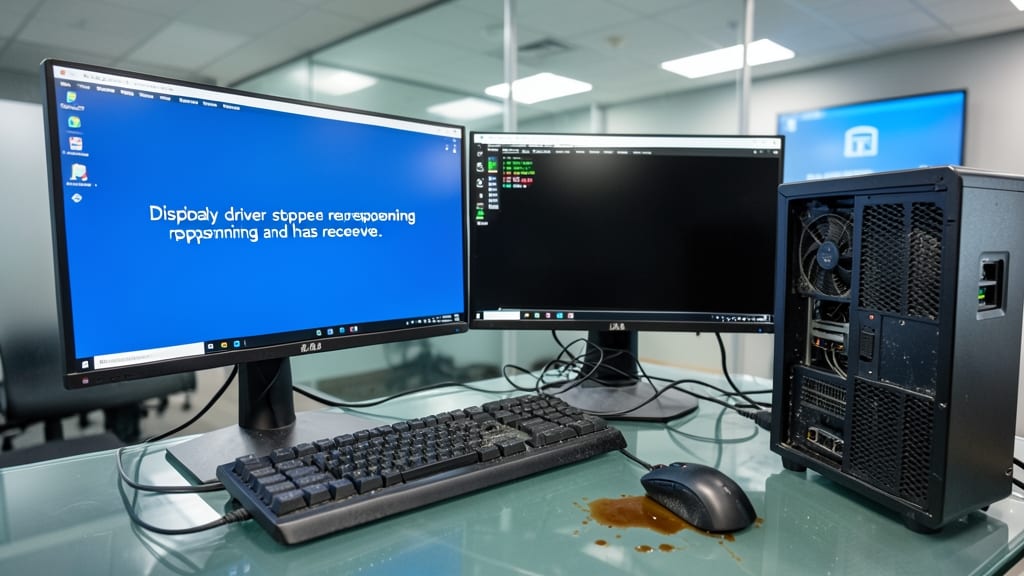
A frozen or black screen on Windows can halt productivity faster than a dead router in a meeting room. Whether it’s a display driver crash, GPU overheat, or a loose HDMI/DisplayPort connection, this guide cuts through the guesswork with a structured approach IT teams can trust.
Start with the Windows Key + Ctrl + Shift + B shortcut to reset the display driver—it works 80% of the time. For deeper issues, use Device Manager to roll back or update GPU drivers, then check Event Viewer for error codes like 0x000000D1 (DRIVERIRQLNOTLESSOR_EQUAL). Hardware fixes include reseating cables, testing a different monitor, or even swapping out a faulty GPU. Pro tip: Keep a spare monitor in your IT toolkit for emergencies.
This solution is non-negotiable for help desks supporting multi-GPU workstations or virtual desktop environments where display issues cripple workflows. A well-documented guide here saves hours of troubleshooting calls. 💻
Recovering Deleted Files from Windows Recycle Bin
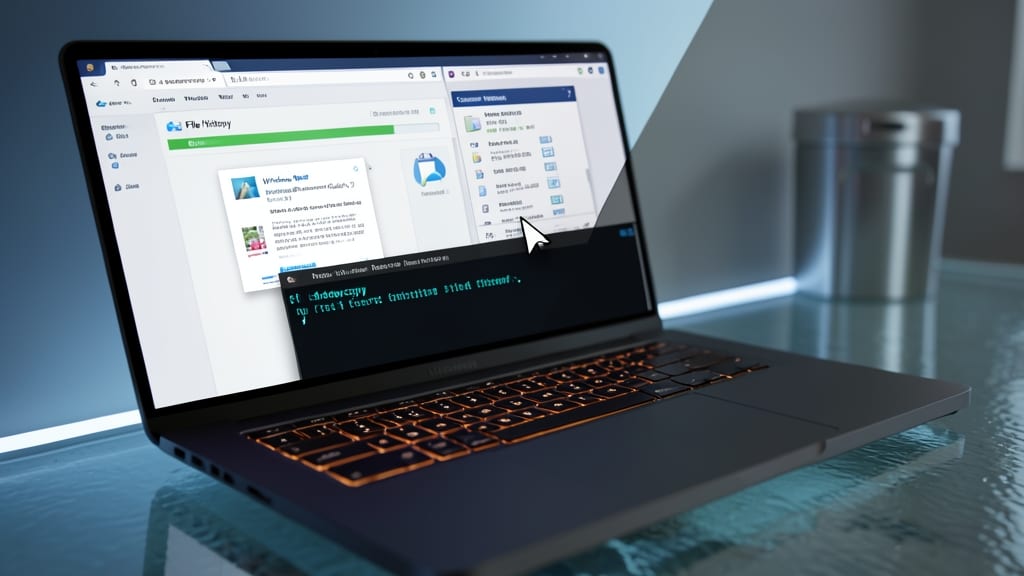
Panicked after emptying the Recycle Bin? Windows actually has three layers of recovery—including tools most users overlook. Whether it’s a permanently deleted file or a missing folder, you can often restore data without third-party software.
Start with File History (if enabled) for automatic backups, then try Shadow Copies via right-clicking the folder → Properties → Previous Versions. For deeper recovery, Recuva (free) scans unallocated space with a 95%+ success rate on NTFS drives. Pro tip: Disable disk cleanup during recovery to preserve deleted file markers.
This guide is ideal for end-users who need quick fixes and IT trainers demonstrating recovery workflows. The step-by-step approach ensures even non-technical staff can recover critical files without data loss. ✨
Configuring VPN Connections for Remote Access
Remote work depends on seamless VPN connections—but when they fail, productivity grinds to a halt. This guide covers cross-platform setup for Windows, macOS, and mobile devices, plus troubleshooting for the most common connection errors like authentication failures and DNS leaks, saving IT teams hours of repetitive fixes.
Use built-in clients like Windows’ native VPN (supports IKEv2/IPsec) or macOS’s built-in VPN preferences (compatible with OpenVPN and L2TP). For mobile, WireGuard’s lightweight protocol (available on iOS/Android) offers faster speeds with minimal battery drain. The guide also includes a diagnostic checklist for errors like "Secure Gateway" timeouts, split-tunneling misconfigurations, and certificate validation issues.
Ideal for IT admins managing hybrid teams, this article ensures zero-trust compliance while keeping remote access intuitive for non-technical users. 💻
Fixing Microsoft Office Activation Errors

When your team’s productivity grinds to a halt because Microsoft Office won’t activate, this guide cuts through the frustration. Whether you’re dealing with expired product keys, KMS server timeouts, or offline activation failures, these solutions restore access without reinstalling the entire suite.
First, verify your license type—Office 365 vs. perpetual—and use the Microsoft Activation Troubleshooter (built into Windows). For KMS issues, check the Volume License Service Center (VLSC) for missing keys or expired terms. Offline activations? Try the slmgr.vbs command-line tool to force a reactivation. Pro tip: Clear cached licenses with slmgr /upk before retrying.
This is a must-have for IT admins managing fleets of devices or supporting remote workers stuck on activation loops. No more wasted calls—just quick fixes to get Word, Excel, and PowerPoint back online. ✨
Resolving Bluetooth Pairing Issues on Windows and Mac

When Bluetooth devices refuse to pair in shared workspaces—like headsets, keyboards, or speakers—it disrupts productivity. This guide cuts through the frustration by addressing driver conflicts, permission blocks, and hardware quirks that often derail connections on both Windows and Mac.
Start by updating Bluetooth drivers (Windows) or resetting the Bluetooth module (Mac via Terminal). Check for interference from other wireless devices or outdated firmware on peripherals. If the issue persists, toggle airplane mode, restart the Bluetooth service, or test with a different device to isolate whether it’s a hardware or software problem.
Perfect for IT teams managing collaborative offices where multiple devices share the same network. A well-organized troubleshooting flow here saves hours of back-and-forth with end users. ✨
Securing Company Devices Against Malware and Ransomware

Malware and ransomware attacks cost businesses $11.45 billion annually—but proactive defense doesn’t require a PhD. Start with real-time endpoint protection like CrowdStrike Falcon or SentinelOne, which block threats at machine speed before they execute. These tools use AI-driven behavioral analysis to stop zero-day exploits, reducing dwell time from hours to seconds.
Complement tech with user training: Simulate phishing attacks with platforms like KnowBe4 to teach employees how to spot suspicious links. For immediate response, isolate infected machines with Microsoft Defender for Endpoint or Sophos Intercept X, which provide automated containment and forensic reports. Document these steps in your knowledge base for IT teams to act fast during breaches.
This approach is ideal for SMBs and enterprises with limited security staff—layering prevention, detection, and response into a repeatable playbook. 💪