
Operating System
Data breaches cost companies an average of $4.45 million per incident—but most leaks start internally. These 10 internal safeguards help IT teams create layered defenses to detect and prevent data leaks before they escalate into catastrophic breaches.
Role-Based Access Control Implementation
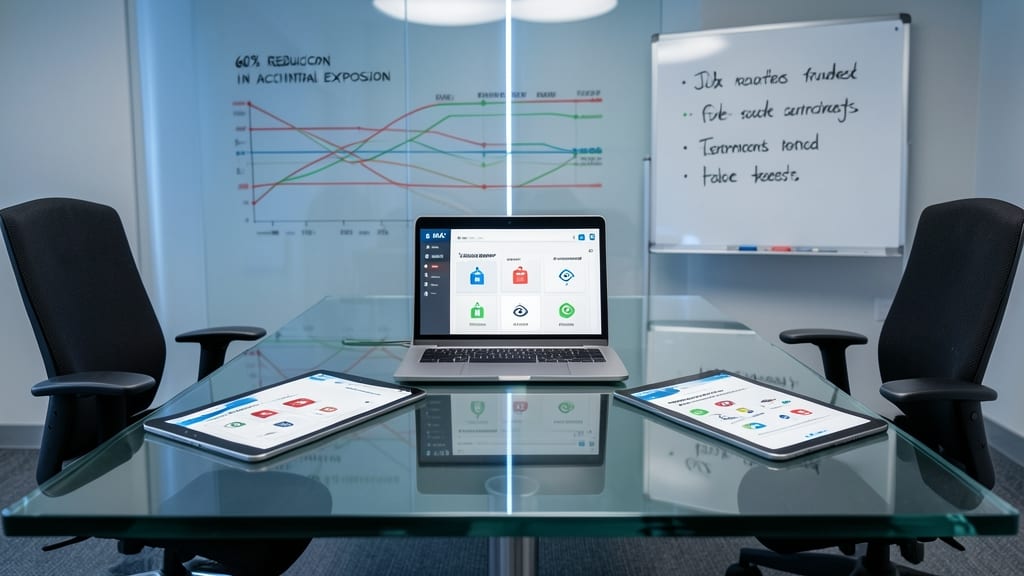
Tired of hearing about breaches caused by employees accessing data they shouldn’t? Role-Based Access Control (RBAC) is your first line of defense, cutting accidental exposure by 60% by giving users only the permissions tied to their job functions.
With RBAC, you define roles like "Finance Manager" or "HR Specialist" and assign granular permissions—such as read-only access to payroll files or edit rights for project documents. Solutions like Microsoft Azure AD or Okta integrate seamlessly with existing systems, while Open-source tools like Keycloak offer customizable alternatives. The result? Employees get exactly what they need, no more, no less.
This safeguard shines for mid-sized businesses and enterprises where departments handle sensitive data daily. Start with a role audit to map current access patterns, then refine permissions—your data (and sanity) will thank you. ✨
Automated Data Loss Prevention Tools
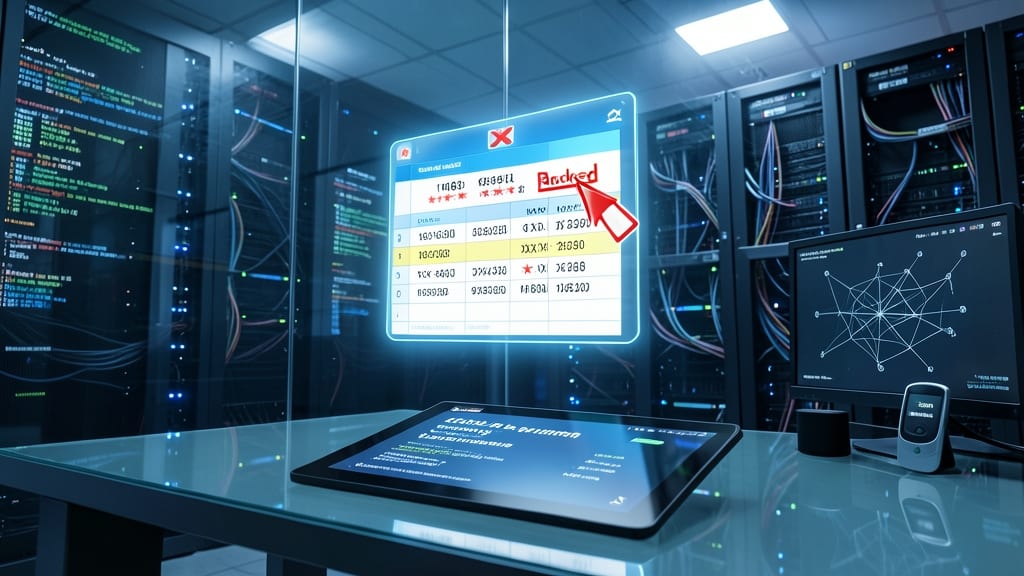
Forget hoping employees notice a leaked spreadsheet—the AI-powered DLP tools like Symantec DLP and Forcepoint stop breaches before they happen. These solutions don’t just monitor; they actively block sensitive data (credit card numbers, SSNs, or patient records) from leaving your network via email, cloud storage, or even USB drives.
With real-time scanning and context-aware policies, they flag anomalies like unusual data transfers or mislabeled files—often catching issues within seconds. Integration with existing security stacks (SIEM, firewalls) ensures no leak slips through the cracks. The best part? Many offer customizable templates for industries like healthcare (HIPAA) or finance (PCI-DSS), so compliance stays effortless.
Teams handling regulated data—think finance, healthcare, or legal—will see the biggest payoff, as these tools reduce manual reviews by 80% while keeping sensitive data locked down. 💻
Multi-Factor Authentication for All Systems
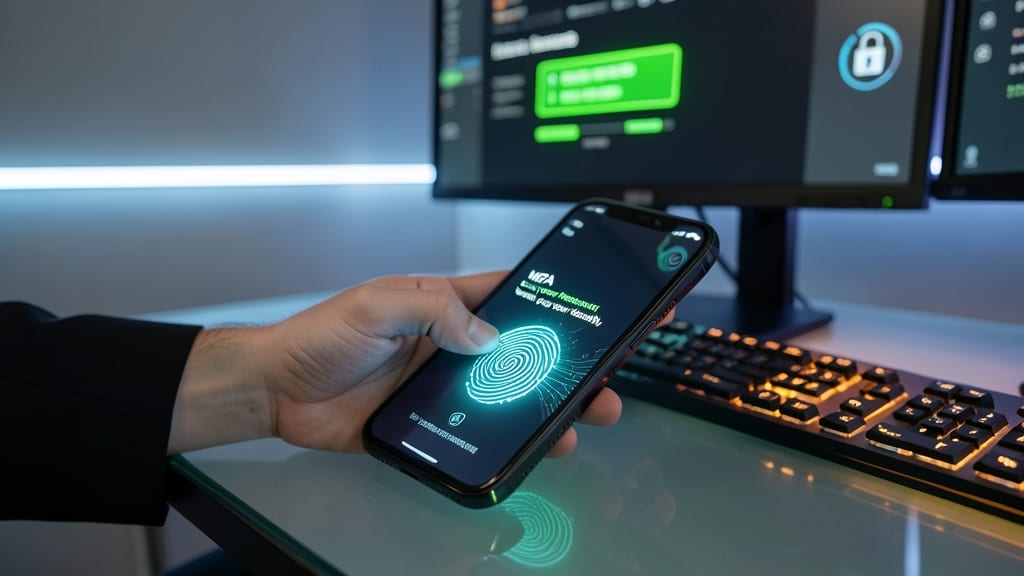
Tired of relying on passwords that get stolen in bulk data breaches? Multi-Factor Authentication (MFA) adds an extra layer of security by requiring a second verification step—like a fingerprint scan or one-time code—after you enter your password. This simple step cuts credential theft risks by 99.9% for critical systems, making it one of the most effective safeguards against unauthorized access.
Modern MFA solutions like Duo Security, Microsoft Authenticator, or Google Titan support biometric verification, hardware tokens, or push notifications—all of which are harder to bypass than passwords alone. Even better, most platforms now offer zero-configuration setups, so you can enable MFA across all systems (email, VPNs, cloud apps) in minutes without disrupting workflows.
This is a must-have for any team handling sensitive data, especially in finance, healthcare, or legal sectors where compliance regulations demand stricter access controls. 💪
Endpoint Detection and Response Systems
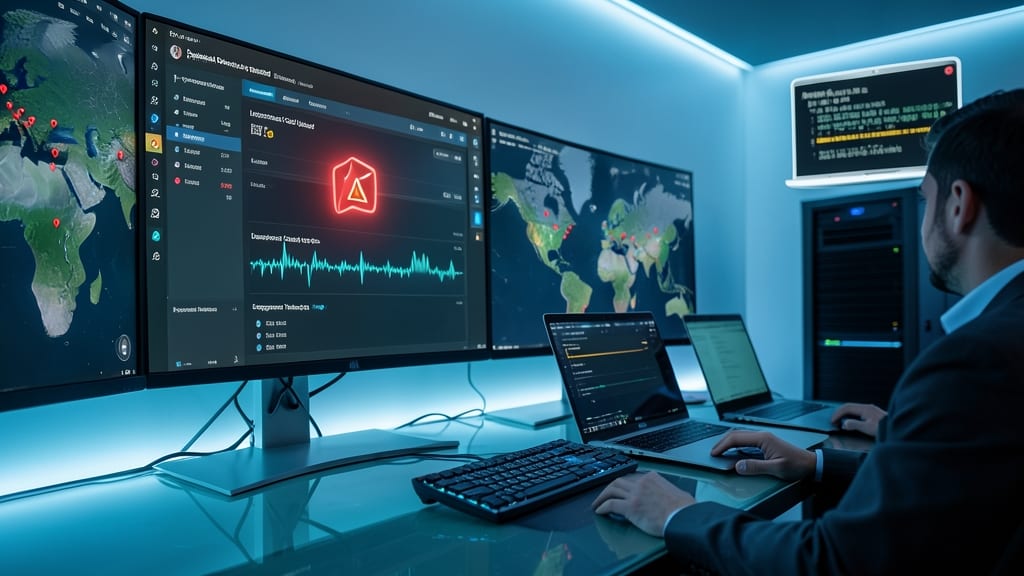
Remote work expanded your attack surface—but Endpoint Detection and Response (EDR) systems act as silent sentinels, scanning every device for suspicious activity in real time. Unlike traditional antivirus, EDR uses behavioral analysis to flag anomalies like unauthorized cloud uploads or encrypted traffic spikes, often before they become breaches.
Solutions like CrowdStrike Falcon or Microsoft Defender for Endpoint provide continuous monitoring across Windows, macOS, and Linux devices, with automated responses to block threats. Their AI-driven threat intelligence updates in minutes, not months, and integrates with SIEM tools for centralized visibility—critical for hybrid teams where endpoints live both in-office and on public Wi-Fi.
This is your first line of defense for remote or hybrid workforces where traditional firewalls can’t see the full picture. ⚡
Regular Security Awareness Training Programs

Even the most advanced firewalls and encryption can’t stop a careless click—90% of breaches begin with human error. Regular security awareness training programs turn employees from potential risks into your first line of defense by blending interactive simulations with real-world threat scenarios.
Most programs include quarterly phishing simulations (like fake "CEO urgent wire transfer" emails) to test vigilance, alongside role-specific modules on recognizing social engineering tactics. Platforms like KnowBe4 or PhishMe track engagement metrics, showing which departments need extra coaching—often HR or finance, where sensitive data flows freely. The best programs gamify learning, rewarding employees for completing modules and reporting suspicious activity.
This safeguard is non-negotiable for businesses handling customer data, healthcare records, or financial transactions. Start with a baseline assessment to identify weak spots, then layer in ongoing training—because a single misclick can cost far more than a year’s worth of security tools. 💡
Encrypted Communication Channels
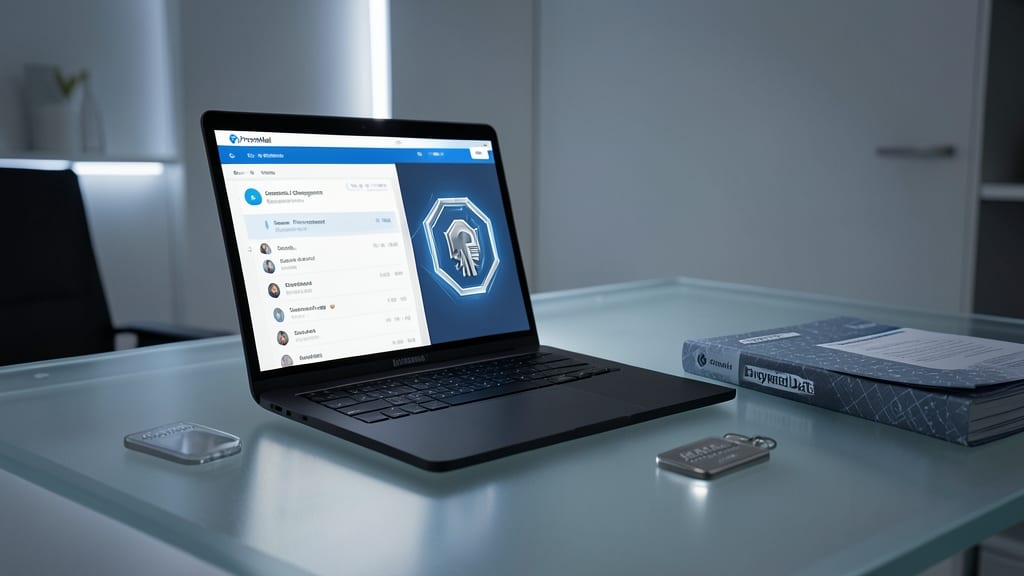
When confidentiality isn’t optional—like in legal or finance—end-to-end encryption turns every message and file into a digital vault. Unlike standard TLS, these channels ensure only the sender and recipient can decrypt content, even if servers or networks are compromised.
Platforms like ProtonMail (for email) and Signal (for messaging) offer AES-256 encryption by default, while tools like Virtru add encryption layers to existing email systems. For file transfers, AxCrypt or CipherMail integrate seamlessly with cloud storage, ensuring sensitive documents stay locked down—even if shared externally.
This is your go-to for compliance-heavy industries where a leaked email could mean lost contracts or regulatory fines. Perfect for teams handling client confidentiality, trade secrets, or financial disclosures. ✨
Automated Patch Management Systems
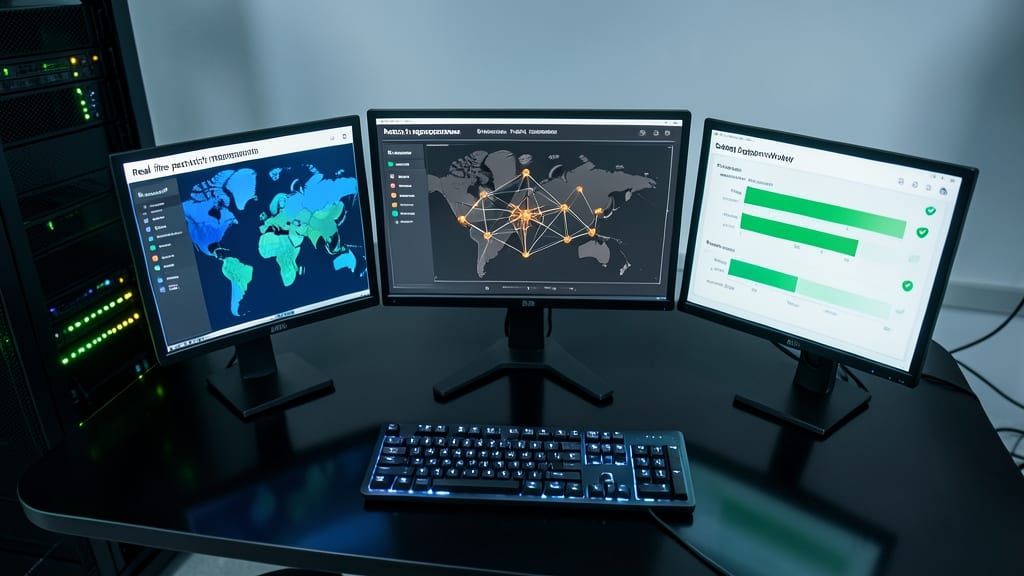
While MFA and DLP tools lock down access and communications, automated patch management systems act like a cybersecurity force multiplier by closing vulnerabilities before attackers even know they exist. These systems don’t just apply updates—they prioritize critical fixes, test deployments in staging environments, and roll back failed patches automatically, ensuring your software stays hardened against evolving threats.
Solutions like ManageEngine Patch Manager Plus or SolarWinds Serv-U scan for CVE vulnerabilities in real-time, deploy patches across Windows, macOS, and Linux systems, and even integrate with ticketing systems to document compliance. The real game-changer? Zero-day attack mitigation—by patching known flaws within 24 hours of disclosure (vs. the industry average of 30+ days), you slash exploit risks by 75% while reducing IT overhead. Plus, automated reporting proves compliance for audits.
This is the safeguard IT admins in regulated industries (healthcare, finance) can’t afford to overlook—especially when legacy systems often get overlooked in manual patching cycles. 💪
Insider Threat Monitoring Solutions

What if your biggest data risk isn’t hackers—but your own employees? Insider threat monitoring spots suspicious behavior like late-night downloads or unusual access patterns before they escalate into breaches.
Solutions like Exabeam or Splunk User Behavior Analytics track anomalies such as unusual login times, bulk data exports, or privilege abuse—often flagging issues before they cause damage. These tools integrate with existing SIEM systems and use AI-driven baselining to distinguish between careless mistakes and malicious intent.
Perfect for industries handling highly sensitive data (finance, healthcare, or legal), these systems give security teams actionable insights without relying solely on human oversight. 🔧
Secure Document Management Workflows
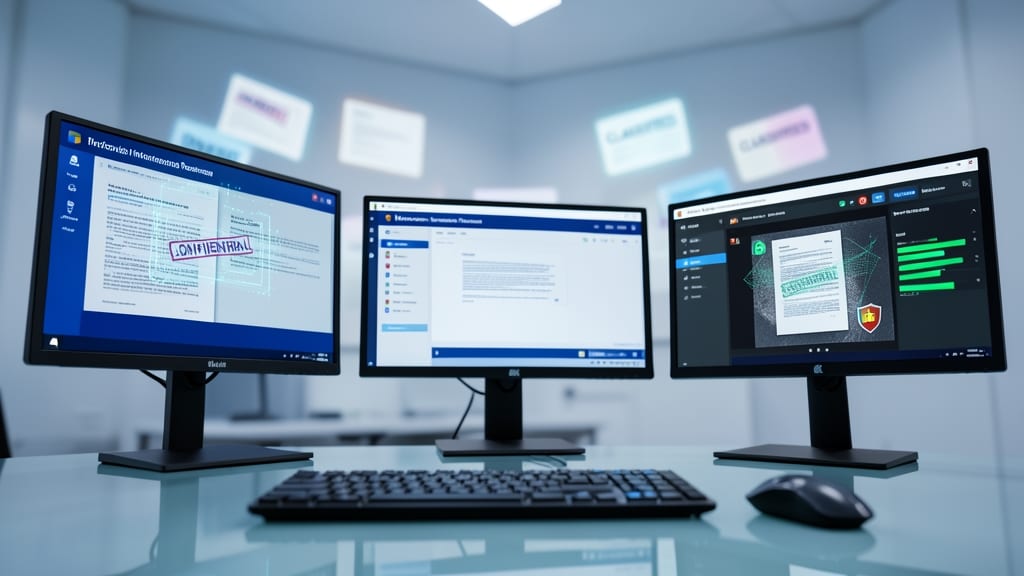
Forget hoping employees remember to mark documents "confidential"—secure document workflows automate the process so you never have to. Tools like Microsoft Purview Information Protection or Veeam Data Classification scan files as they’re uploaded, automatically applying watermarks, encryption, and expiration dates based on predefined policies.
The best solutions integrate with your existing systems, like SharePoint or Google Drive, to enforce rules without disrupting workflows. For example, a PII-labeled contract might auto-watermark with the employee’s name, expire in 90 days, and block external sharing. This cuts manual errors while keeping sensitive data contained—even if a laptop gets lost or an employee leaves unexpectedly. 💻
Incident Response Playbooks for Data Breaches

When a breach happens, every second counts—yet most IT teams scramble to respond without a clear plan. Incident Response Playbooks provide a battle-tested framework to contain leaks, investigate root causes, and restore operations before reputational damage spirals out of control. These playbooks map out step-by-step procedures tailored to specific breach scenarios, like phishing attacks or insider threats, ensuring consistency even under pressure.
Look for playbooks with modular templates for containment (e.g., isolating compromised systems), forensic analysis (e.g., logging suspicious activity), and communication protocols (e.g., notifying stakeholders). Tools like Splunk’s IR Playbook or IBM’s Resilient integrate with SIEM systems to automate response workflows, while frameworks like NIST SP 800-61 offer compliance-ready guidelines. Customizable checklists ensure your team doesn’t overlook critical actions, like preserving evidence for legal compliance.
These playbooks are non-negotiable for regulated industries (e.g., healthcare, finance) but also invaluable for any business handling sensitive data. Start with a breach simulation to test your playbook’s effectiveness—because the best safeguards are those you’ve already practiced. ✨