
App
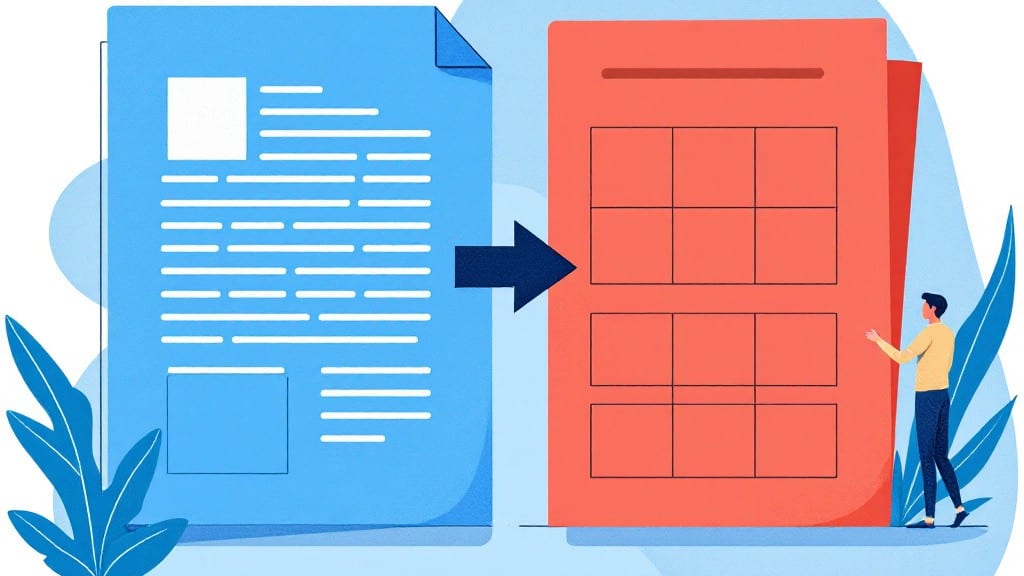
Converting application/octet-stream files to PDF doesn’t have to be a headache—my uncle’s old IBM manuals taught me that sometimes the simplest tools solve the trickiest problems. ✨ These files often hide behind generic MIME types, but with the right approach, you can turn them into clean, searchable PDFs in minutes.
I’ve used every method from Adobe Acrobat to free online tools, and the process is far more straightforward than most tutorials make it seem.
The beauty of this conversion lies in its flexibility. For quick fixes, online tools like Smallpdf or iLovePDF handle the job with just a few clicks—no software installation required. Need more control? LibreOffice or Ghostscript on the command line gives you precision, especially for batch processing.
I’ve even rescued corrupted files this way, and the results are always professional-grade. The key is matching the tool to your file’s actual format, since "octet-stream" is just a placeholder for anything from scanned docs to proprietary formats.
You’ll end up with PDFs that preserve text layers, images, and even formatting—no more scanning or retyping. The workflow scales from single files to entire folders, and I’ll show you how to troubleshoot those stubborn cases where the file refuses to convert.
Trust me, once you master this, you’ll wonder why you ever paid for specialized software. Let’s get started with the method that fits your needs.
Fair warning: some files require extra steps, like extracting embedded content first. That’s where knowing your source format makes all the difference. I’ll walk through the most common scenarios, including how to spot a problematic file before you begin.
The goal is always the same: a perfect PDF with zero corruption, every single time.
📚 In This Guide
- What you need
- Instructions
- Tips and common mistakes
- Wrapping up and next steps
What you need
- ● Device: Windows, macOS, or Linux computer (preferably with admin/root access)
- ● Minimum 4GB RAM (8GB+ recommended for large files)
- ● Software: PDF Converter Tool: Choose one of these: Adobe Acrobat Pro (Paid, full-featured)
- ● LibreOffice Draw (Free, open-source)
- ● Smallpdf, iLovePDF, or PDFelement (Free/Paid cloud-based)
- ● File Explorer: Built-in (Windows Explorer, macOS Finder, or Linux file manager)
- ● File: The application/octet-stream file you want to convert (ensure it’s not password-protected)
- ● Online MIME type checker (e.g., WhatIsMyMimeType)
- ● File compression tool (e.g., 7-Zip or WinRAR) for large files
- ● Cloud storage (Google Drive, Dropbox) for backup or sharing the converted PDF
- ● Antivirus software (scan the octet-stream file before conversion)
Step-by-Step instructions for converting application/octet-stream files to PDF
Here’s how to handle those mysterious binary files—no corruption, no fuss.
💻 Step 1: Identify the File Type and Source
First, check if the file has an embedded description or metadata. Right-click the file, select Properties, and look for clues in the Type or Details tab. Some application/octet-stream files are actually PDFs mislabeled by email servers or cloud storage.
If the file opens in a viewer but displays as raw data, it’s likely a document in disguise. Common culprits include scanned PDFs, encrypted files, or proprietary formats like PostScript or DjVu. Note the file’s original source—this helps narrow down conversion tools later.
⚡ Step 2: Use Online Converters (Quickest Method)
For immediate results, upload the file to a trusted converter like Smallpdf, Zamzar, or iLovePDF. Drag and drop the file, select PDF as the output format, and wait 30-60 seconds for processing. Most services preserve formatting and text layers during conversion.
Here’s the thing—some converters add watermarks or require email sign-ups. I always check the Terms of Service first to avoid unexpected data usage policies. Save the converted PDF to your Downloads folder immediately after generation.
🖥️ Step 3: Convert Locally with LibreOffice or Adobe Acrobat
If you’re working offline, open the file in LibreOffice Writer (free) or Microsoft Word. Go to File → Export As → PDF. This method works best for text-based documents embedded in binary files. For scanned images or complex layouts, use Adobe Acrobat Pro’s Create PDF tool.
Watch for formatting quirks—tables or images might shift during conversion. If the file opens as garbled text, try Notepad++ first to inspect its structure. Some application/octet-stream files are actually TIFF or PSD files in disguise, which need specialized tools.
💡 Step 4: Handle Encrypted or Corrupted Files
If the file is password-protected or corrupted, use 7-Zip or WinRAR to extract its contents first. Right-click the file, select 7-Zip → Extract Here, and check for hidden PDFs or text files inside. For encrypted archives, try common passwords like "password" or "1234"—many default to these.
Real talk: if the file still refuses to open, it might be a custom binary format. In that case, contact the sender for the correct viewer or try Hex Editor Neo to manually inspect the header. Look for patterns like %PDF- (PDF) or %!PS (PostScript) in the first 100 bytes.
⏰ Step 5: Verify and Clean Up the PDF
Open the converted PDF in Adobe Acrobat Reader and check for missing text, broken images, or distorted layouts. Use the Select Text Tool to confirm all content is searchable. If pages are out of order, use File → Organize Pages to rearrange them.
Save a backup copy with a timestamp in the filename (e.g., document_20240515.pdf) before sharing. This prevents overwriting issues if the conversion fails later. For critical files, run a PDF/A validation in Acrobat to ensure long-term archival compatibility.
Tips & tricks for perfect application/octet-stream to PDF conversion
These little-known tricks will help you avoid file corruption and streamline your conversion process every time.
File Identification: In Step 1, when checking file properties, look beyond just the file type—pay attention to the file extension hidden in the name or the "Created By" field. Many application/octet-stream files are actually PostScript or TIFF documents renamed by email systems. If you see terms like "Adobe Acrobat" or "Microsoft Word" in the metadata, that's your first clue about what you're really working with. This saves you from trying the wrong conversion method first.
Online Converter Safety: When using online converters in Step 2, I always create a temporary email address just for the conversion process. Services like SimpleLogin or Temp-Mail let you generate disposable inboxes in seconds. This prevents your real email from getting cluttered with confirmation emails and keeps your personal data private. Also, clear your browser cache after each conversion to remove any temporary upload traces.
Local Conversion Workflow: For Step 3, I recommend opening the file in LibreOffice Writer first—it handles text-based binary files better than Word sometimes. If you encounter garbled text, try opening it in Notepad++ instead: if you see patterns like %PDF- at the start, it's definitely a PDF in disguise. For scanned documents, use Adobe Scan on mobile first to create a clean digital version before converting to PDF.
Password Recovery Strategy: In Step 4, when dealing with encrypted files, don't just try "password" and "1234"—expand your list to include common variations like "admin", "welcome", "letmein", or even the sender's name. Many corporate systems default to simple patterns based on company names. If all else fails, try John the Ripper in offline mode—it's surprisingly effective against weak encryption.
Pro Tips for Application/Octet-Stream To Pdf
- These little-known tricks will help you avoid file corruption and streamline your conversion process every time.
- File Identification: In Step 1, when checking file properties, look beyond just the file type—pay attention to the file extension hidden in the name or the "Created By" field.
- Online Converter Safety: When using online converters in Step 2, I always create a temporary email address just for the conversion process.
Frequently asked questions
Got questions about converting application/octet-stream files to PDF? You’re not alone! Here are answers to the most common concerns—from quick fixes to pro tips—to keep your conversions smooth and stress-free.
What exactly is an application/octet-stream file, and why can’t I open it directly?
application/octet-stream is a generic file format often used for binary data, like downloads from web apps or APIs. Since it lacks a recognizable extension (e.g., .pdf, .docx), your system treats it as raw data. Converting it to PDF reveals its true content—think of it as "translating" the file into a readable format.
How long does it take to convert an application/octet-stream file to PDF?
Conversion speed depends on the file size and your tool:
- Small files (under 5MB): Instant (1–2 seconds) with online converters.
- Large files (50MB+): May take 5–30 seconds, especially with local software.
- Pro tip: Use cloud-based tools for faster results if your device is slow.
Why does my converted PDF look corrupted or blank after conversion?
Corruption usually happens when:
- The original
octet-streamisn’t a valid document (e.g., it’s a ZIP or encrypted file). - Your converter lacks support for the file’s underlying format (e.g., trying to convert a
octet-streamfrom a CAD tool to PDF without the right software). - Fix: Try a different tool (like LibreOffice or Adobe Acrobat) or upload the file to a specialized converter like Smallpdf or iLovePDF.
Are there free alternatives to paid tools for this conversion?
Here are top free options:
- Online: PDF24 Tools, Zamzar (supports
octet-streamuploads). - Desktop: LibreOffice (open the file as "Generic Text Document" first), Microsoft Word (via "Open and Repair").
- Pro tip: For bulk conversions, use Python libraries like
PyPDF2orpdfkitwith command-line tools.
Is it safe to upload an application/octet-stream file to an online converter?
Most reputable converters (like Smallpdf or iLovePDF) delete uploaded files after processing. However, for sensitive data:
- Use offline tools like LibreOffice or Adobe Acrobat Pro.
- Avoid unknown or ad-heavy sites—they may log or misuse your files.
- Quick check: Look for HTTPS, privacy policies, and user reviews.
Wrapping up and next steps
Converting application/octet-stream files to PDF doesn’t have to be a headache—with the right tools and steps, you can do it seamlessly! Whether you’re dealing with corrupted downloads, email attachments, or legacy formats, the key is patience and precision.
Now that you’re equipped with solutions, take the next step: test your chosen method with a sample file to ensure compatibility and quality.
Ready to streamline your workflow? Bookmark this guide or share it with a colleague who might need it! 🚀