
Operating System
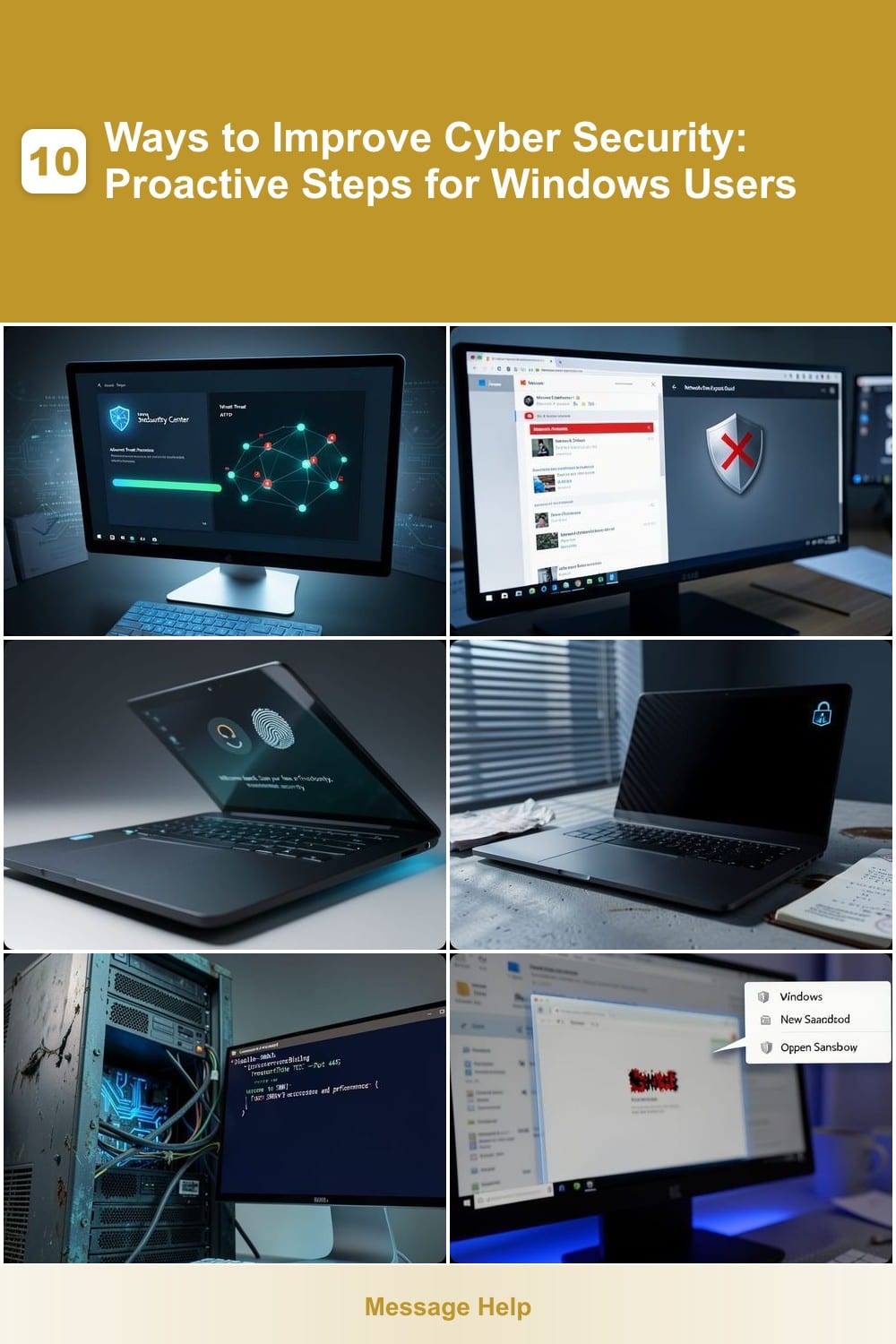
Windows users face growing cyber threats daily, but simple proactive steps can transform your security. These ten actionable strategies protect your data, privacy, and system without requiring technical expertise.
Enable Windows security center Advanced Threat Protection
Windows already packs a hidden cybersecurity powerhouse: Advanced Threat Protection (ATP) in the Windows Security Center. This AI-driven shield silently analyzes your system for ransomware, malware, and even zero-day exploits—before they can execute. The best part? It requires zero configuration beyond a single toggle in Settings.
The feature leverages Microsoft Defender ATP’s cloud-based threat intelligence to detect suspicious behavior patterns, like unauthorized process execution or unusual data encryption. It works alongside your existing antivirus without conflicts, and updates its threat database automatically. For users handling sensitive files or connected to public networks, this is a set-and-forget layer of protection that rivals premium third-party tools.
Ideal for home users, remote workers, and small businesses, ATP is especially valuable if you don’t use enterprise-grade security suites. Just enable it in Windows Settings > Update & Security > Windows Security > Virus & Threat Protection > Manage Settings > Advanced Threat Protection, and let Windows handle the rest. ⚡
Use Microsoft Defender Exploit Guard with network protection
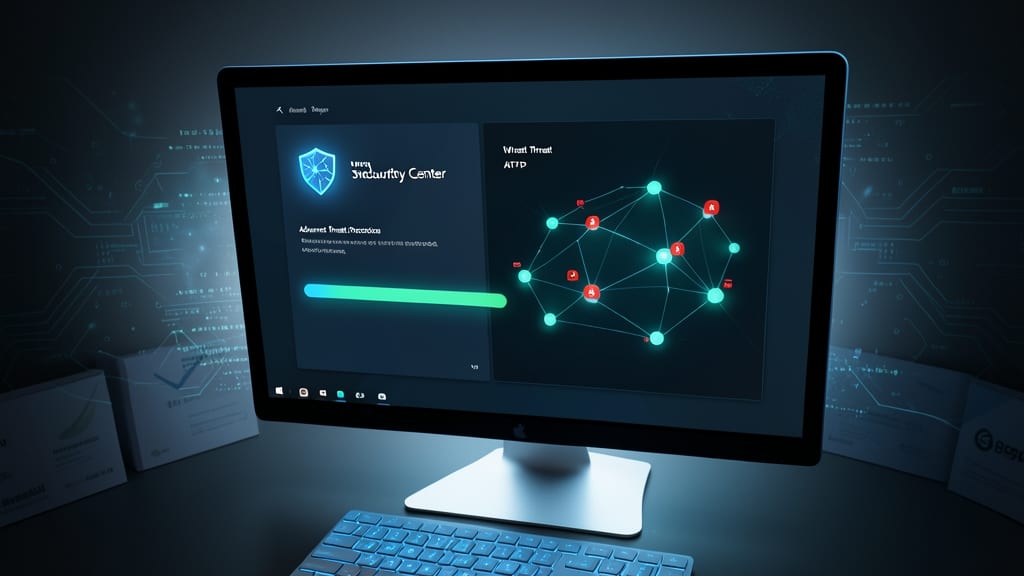
If you frequently download files from untrusted sources or browse niche forums, Microsoft Defender Exploit Guard with Network Protection acts as a silent shield against web-based threats before they even reach your browser.
This feature blocks access to known malicious domains and IP addresses at the network level, preventing exploits like drive-by downloads or phishing sites from executing harmful code. Unlike traditional antivirus, it doesn’t rely on file scanning—it stops threats before they compromise your system. The setup is seamless: just toggle it on in Windows Security > App & Browser Control, and it starts protecting your connections immediately.
Perfect for freelancers, researchers, or gamers who download mods or visit less-trusted sites, this layer adds an extra defense without slowing down your workflow. It’s like a firewall for the web—built into Windows, no extra software needed. 💻
Implement Windows Hello with biometric authentication
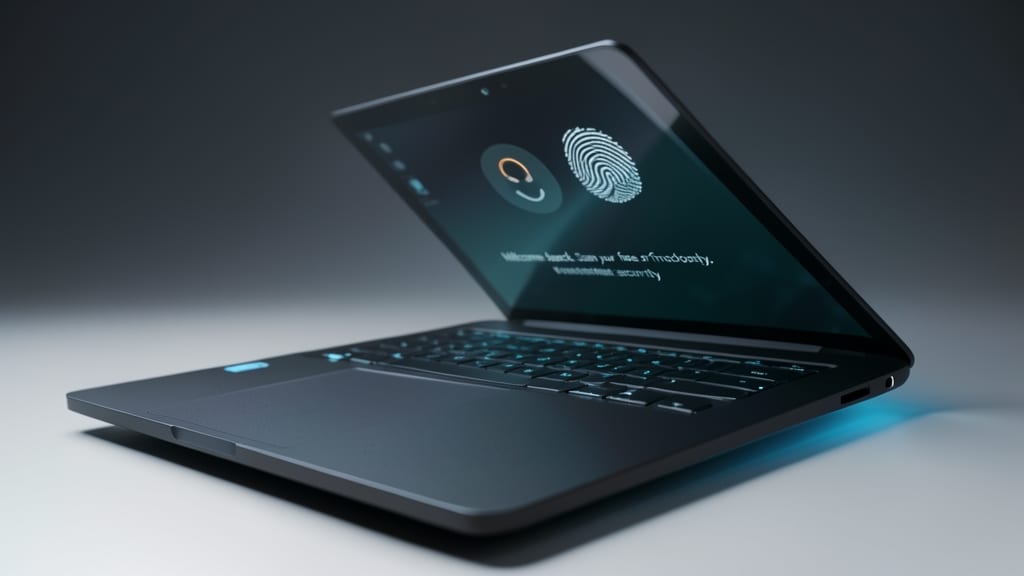
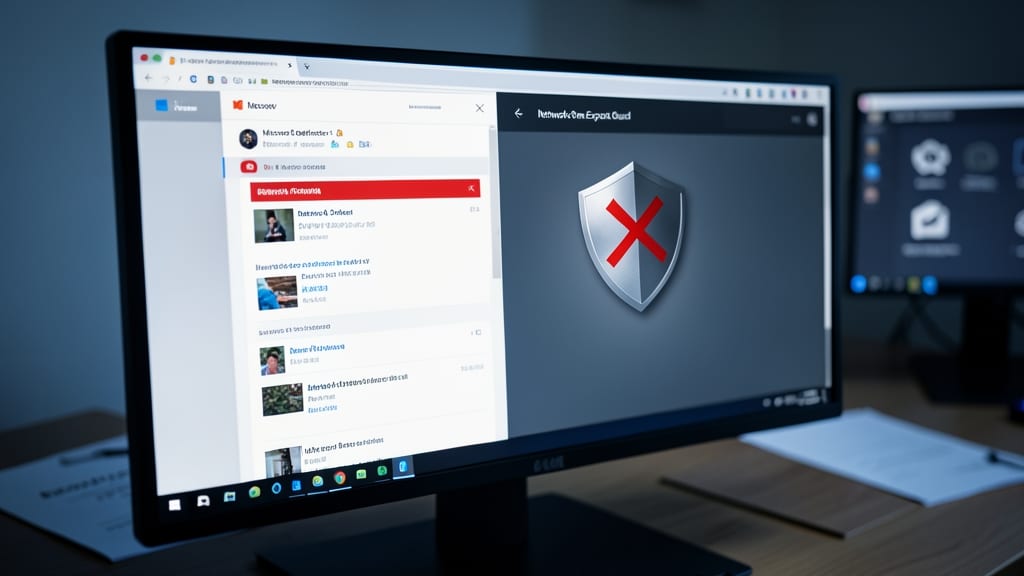
Tired of forgetting passwords or worrying about weak ones? Windows Hello replaces them with fingerprint or facial recognition, turning your device into a security fortress while keeping Microsoft 365 fully functional.
This built-in tool uses Windows Hello-compatible hardware (like infrared cameras or fingerprint sensors) to unlock your PC, apps, and even Microsoft 365 accounts without passwords. The PIN fallback ensures you’re never locked out, and FIDO2 certification guarantees industry-standard security. No more sticky notes with passwords—just seamless, hacker-resistant access.
Perfect for professionals handling sensitive data or anyone frustrated with password fatigue. Set it up in Settings > Accounts > Sign-in options in under five minutes. ✨
Enable BitLocker encryption for full-disk protection

What if your laptop or desktop was stolen—and all your sensitive files, emails, and even work documents remained completely inaccessible? That’s the power of BitLocker, Windows’ built-in full-disk encryption tool, which locks down every bit of data on your drive, including the operating system itself.
With BitLocker, your files are encrypted using AES-256-bit encryption, the same standard used by governments and military organizations. The encryption happens automatically in the background, so you don’t need to remember to encrypt files manually. You can even set it up to require a PIN, USB key, or smart card for recovery, adding another layer of security. For remote workers or business users, BitLocker works seamlessly with Microsoft Active Directory, making it easy to manage encryption policies across entire organizations.
This is especially valuable for anyone handling sensitive data, like financial records, client information, or proprietary projects. Even if your hardware falls into the wrong hands, your data stays protected—no decryption key, no access. ⚡
Disable SMBv1 and use SMBv3 for file sharing
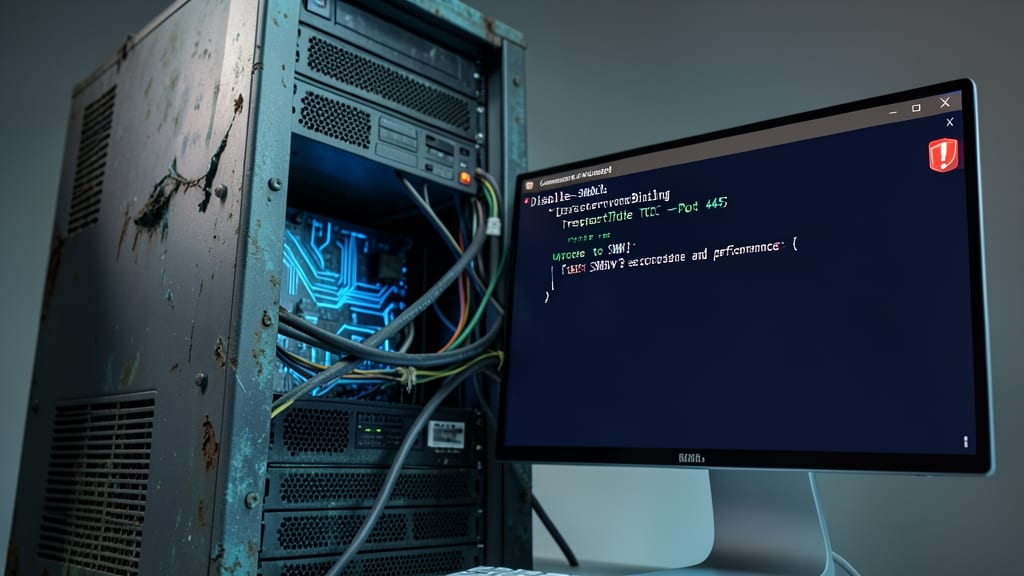
The WannaCry ransomware attack exposed a critical flaw in SMBv1, a 20-year-old file-sharing protocol still enabled by default on many Windows systems. Disabling it and upgrading to SMBv3 closes this gaping security hole while adding modern encryption and performance benefits.
To disable SMBv1, open Windows Features via the Start menu, uncheck SMB 1.0/CIFS File Sharing Support, and restart. Then, enable SMBv3 in Windows Settings under Network & Internet > Ethernet > Advanced Network Settings, where you’ll find SMB Direct and encryption options. This version supports end-to-end encryption for shared files and multi-channel bonding for faster transfers over high-speed networks.
This upgrade is a must for businesses, remote workers, and anyone sharing files across networks. The zero-cost fix eliminates a primary attack vector while future-proofing your setup. ✨
Configure Windows Sandbox for high-risk tasks
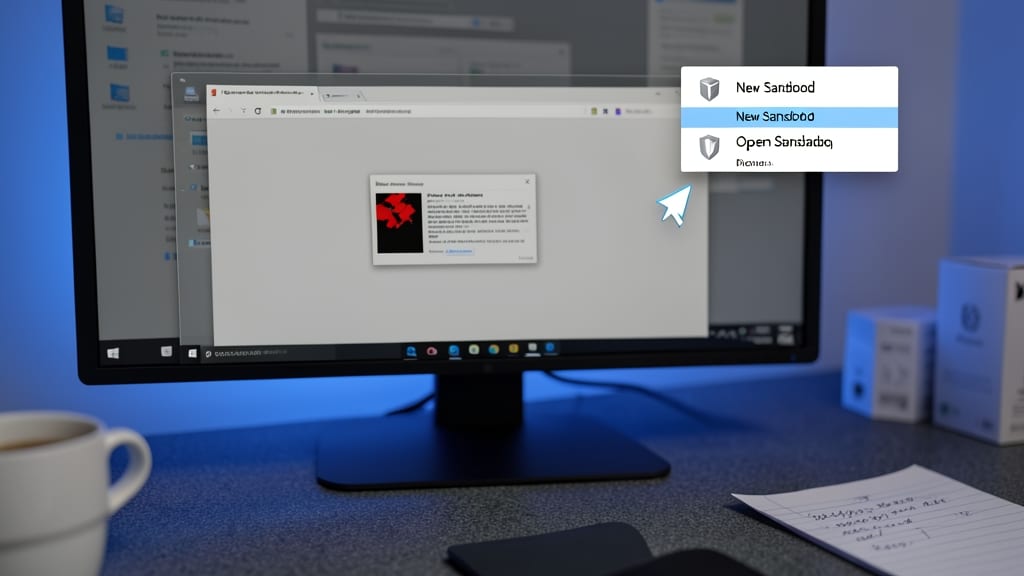
Curious about that sketchy download or shady software you need to test? Windows Sandbox turns your PC into a disposable virtual machine, letting you run untrusted apps in complete isolation—no risk to your real files or system.
With just a right-click, you launch a lightweight VM with full Windows 11 features, including a separate desktop, network stack, and user profile. It starts in seconds and shuts down automatically when closed, leaving zero traces behind. Perfect for testing malware samples, suspicious installers, or even browser exploits without fear of infection.
This is the ultimate tool for security researchers, IT admins, or anyone testing unknown software. No need for heavy virtualization tools—just built into Windows Pro and Enterprise. ✨
Enable controlled folder access in Microsoft Defender
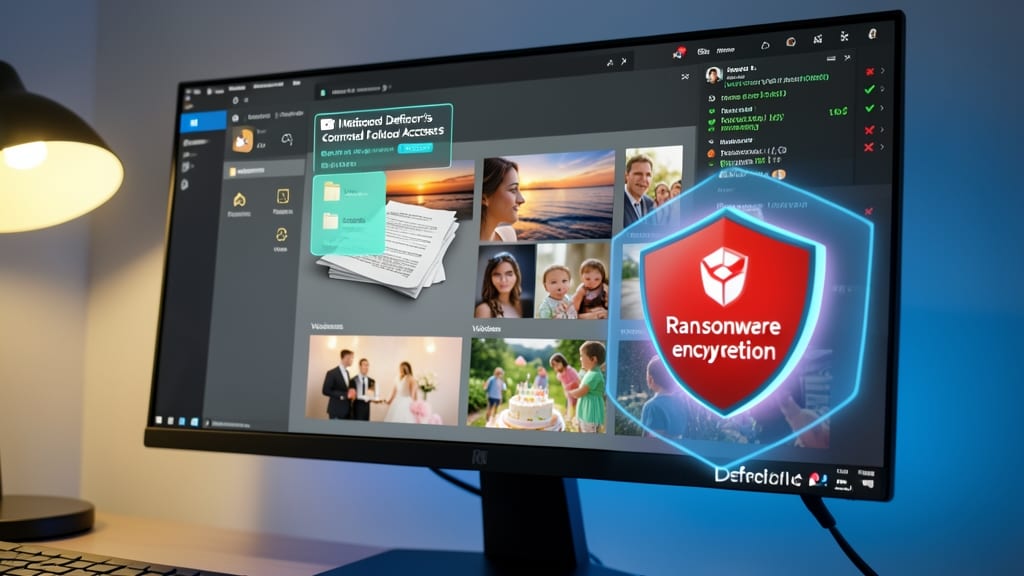
Ransomware attacks often target your most precious files first—Documents, Pictures, and Videos—but Microsoft Defender’s Controlled Folder Access acts as a silent guardian, blocking unauthorized encryption attempts in real time.
This feature uses AI-powered process monitoring to distinguish between legitimate apps (like Microsoft Office) and malicious ones (ransomware). By default, it protects five critical folders, but you can add custom locations. The best part? It works silently in the background, requiring no user intervention once enabled—just toggle it on in Microsoft Defender’s Ransomware Protection settings.
Perfect for home users storing family photos or remote workers handling sensitive files, this zero-cost layer adds an extra shield without slowing down your system. 💪
Use Windows Update rings for immediate patch deployment
Waiting for monthly updates to roll out leaves your system exposed to newly discovered threats. Windows Update Rings let you opt into Release Preview or Beta channels, ensuring critical security patches deploy within days—not weeks—of Microsoft’s release.
By selecting Release Preview, you automatically receive updates before the general public, including fixes for zero-day exploits. The Beta ring offers even earlier access (with slightly more risk), while still maintaining stability for most users. These rings require no extra configuration—just a one-time setting change in Windows Update settings under Advanced options.
This is ideal for power users, IT admins, or anyone who prioritizes real-time protection over waiting for standard updates. Just remember to switch back to the Stable ring if you prefer fewer surprises. ✨
Enable Windows firewall with Advanced rules for apps
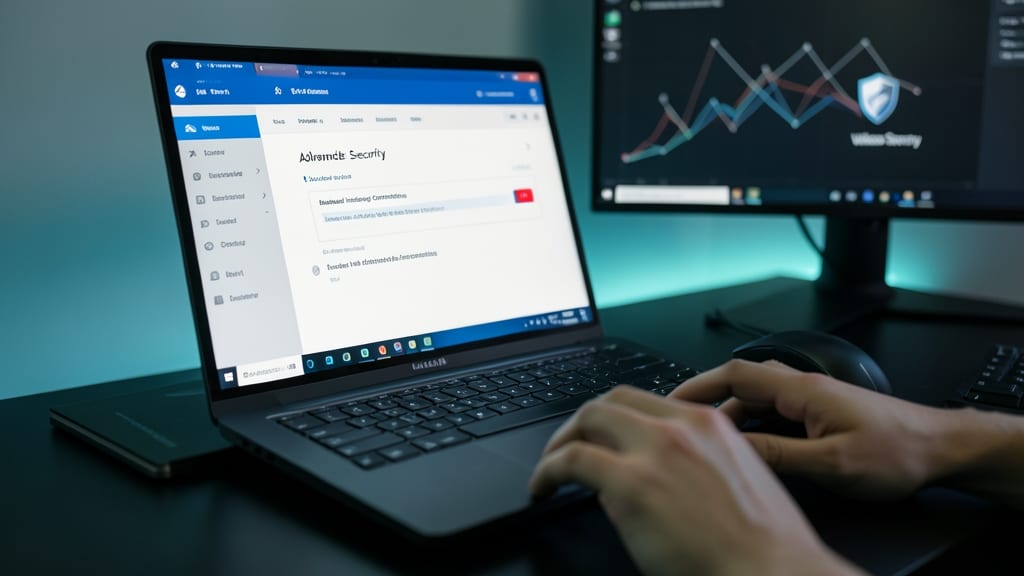
Tired of malware slipping through your defenses because your firewall is stuck on "default settings"? The Windows Firewall with Advanced Security lets you lock down your system while keeping trusted apps running smoothly—no third-party software needed.
By default, it blocks all incoming connections, but you can create custom rules to allow specific apps (like your game or remote desktop tools) while keeping everything else locked down. The outbound rules let you restrict apps from phoning home, and profile-specific settings (Domain/Private/Public) ensure your security adapts to where you are. This is especially useful for developers testing apps or remote workers connecting to corporate networks.
Perfect for power users who need fine-grained control without sacrificing security—ideal for gamers, developers, or anyone juggling multiple apps that need network access. 💻
Regularly audit Windows Event logs for suspicious activity
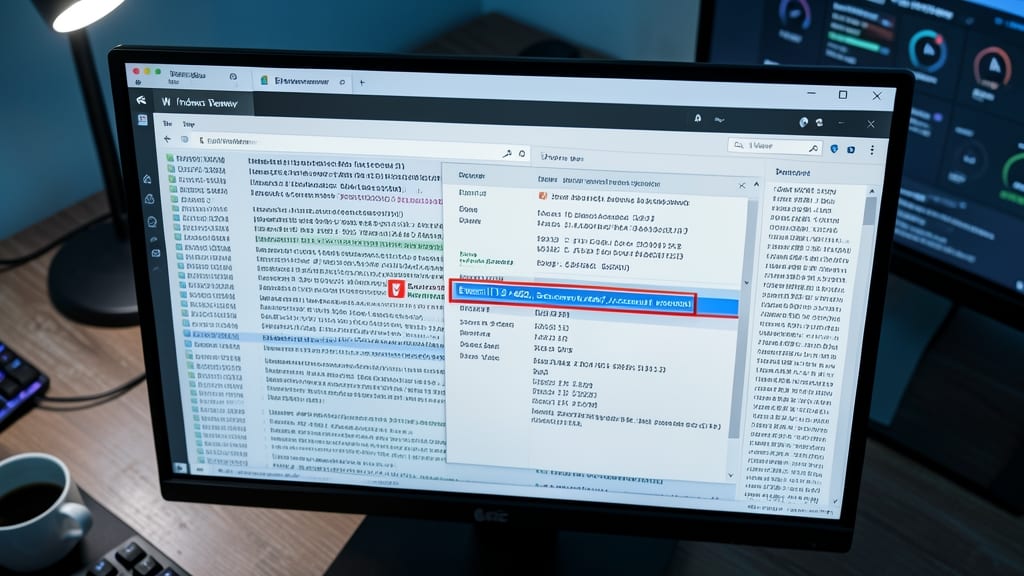
Most cyberattacks start with small, overlooked clues—failed logins, policy changes, or unusual admin activity. The Windows Event Viewer acts like a security camera for your system, recording every suspicious move before it becomes a full-blown breach.
Open Event Viewer (search for it in the Start menu) and navigate to Windows Logs > Security. Here, you’ll spot Event ID 4625 (failed logins), 4720 (user account changes), or 4672 (privileged group modifications). Filter by Critical or Warning events to focus on high-risk activity. This zero-cost, built-in tool catches brute-force attempts, rogue admin actions, and even misconfigured software—all without installing extra software.
Ideal for IT admins or security-conscious users, this step takes just 5 minutes weekly but can prevent data breaches before they happen. 💪